
Article Content
1. The History and Cultural Significance of Lapel Pins
Lapel pins, also known as badges or pins, have a history that stretches back centuries. Initially, they served as symbols of military rank, royal affiliation, or ceremonial honor. In the 19th and 20th centuries, lapel pins became popular in civic organizations, clubs, and political movements as a way to show support or membership. Today, lapel pins are versatile tools for expression, used in fashion, corporate branding, and personal collections. They serve not only as decorative accessories but also as symbols of identity, achievement, and values.
2. Materials and Craftsmanship
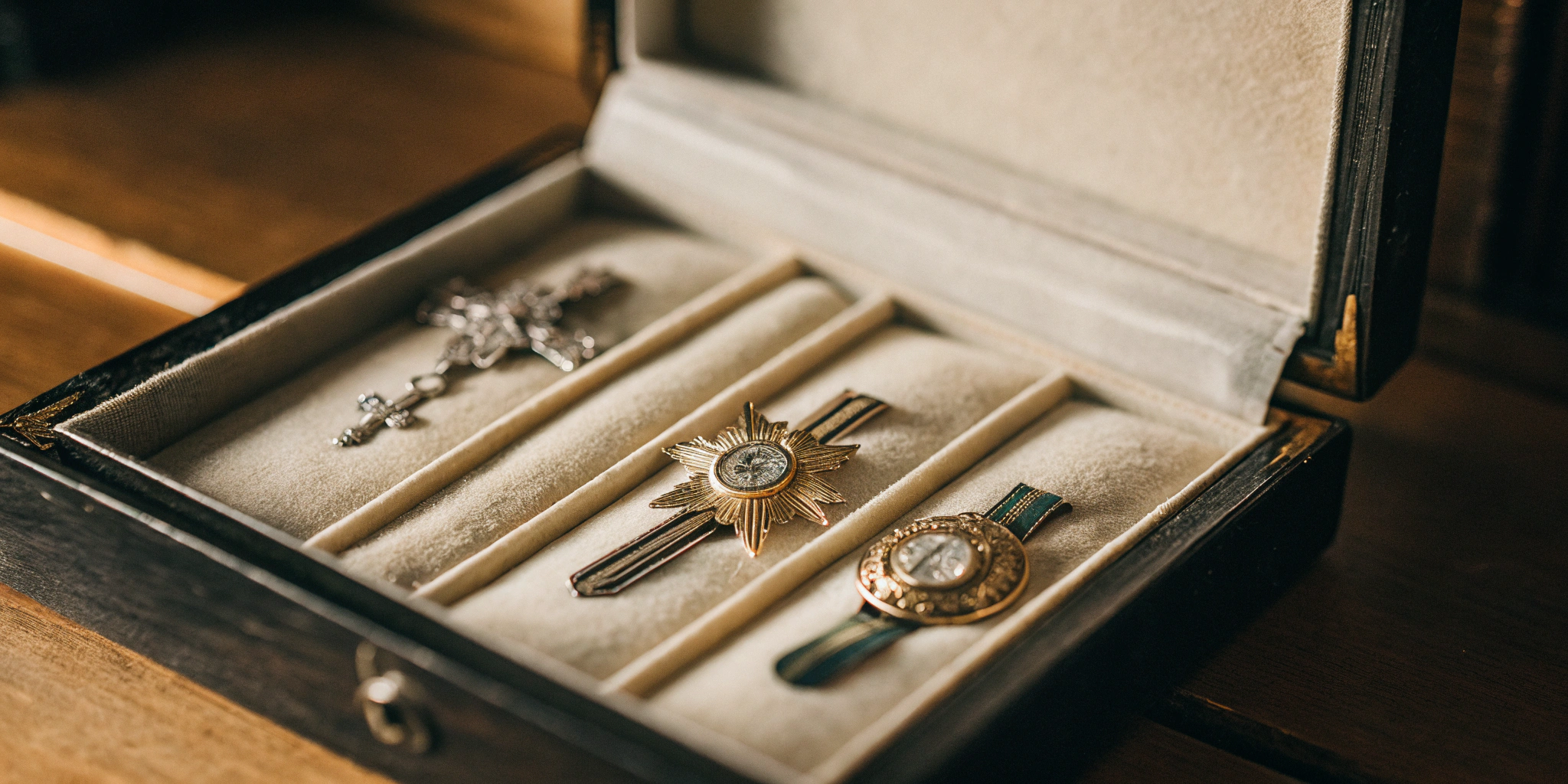
The quality of a lapel pin largely depends on the materials and craftsmanship. Popular materials include:
- Metal: Provides durability and a premium feel.
- Soft and Hard Enamel: Allows for vibrant colors and smooth finishes.
- Acrylic & Resin: Lightweight, customizable, and suitable for creative shapes.
- Gold/Silver Plating: Adds luxury and elegance.
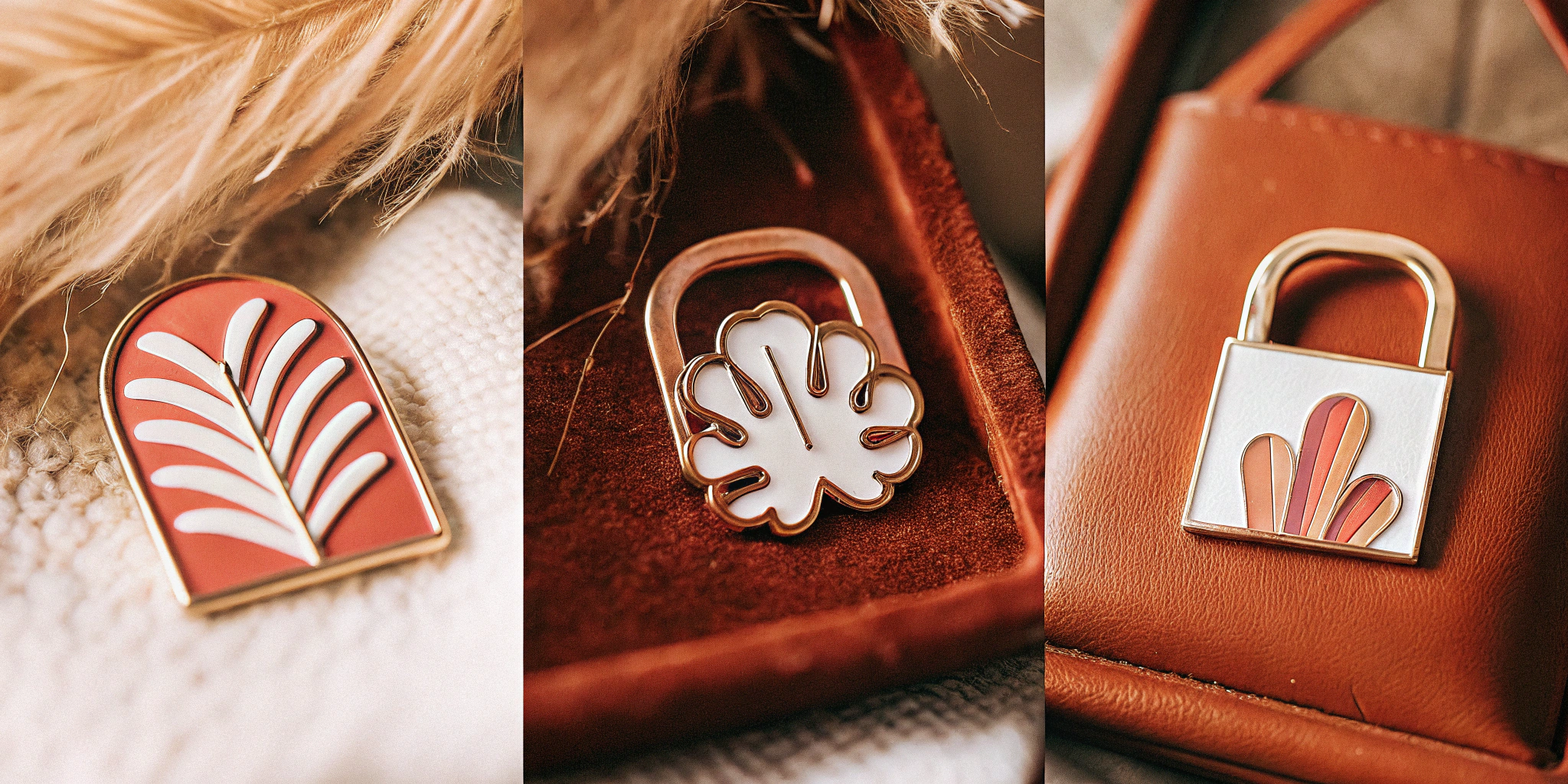
Crafting techniques such as die-casting, stamping, engraving, color filling, and laser cutting allow for intricate designs. Each technique brings its own aesthetic and tactile effect, making the pins suitable for fashion accessories, awards, or collector items. Combining materials, such as enamel on metal with gold plating, can create unique high-end pins.
3. Creative Design Approaches
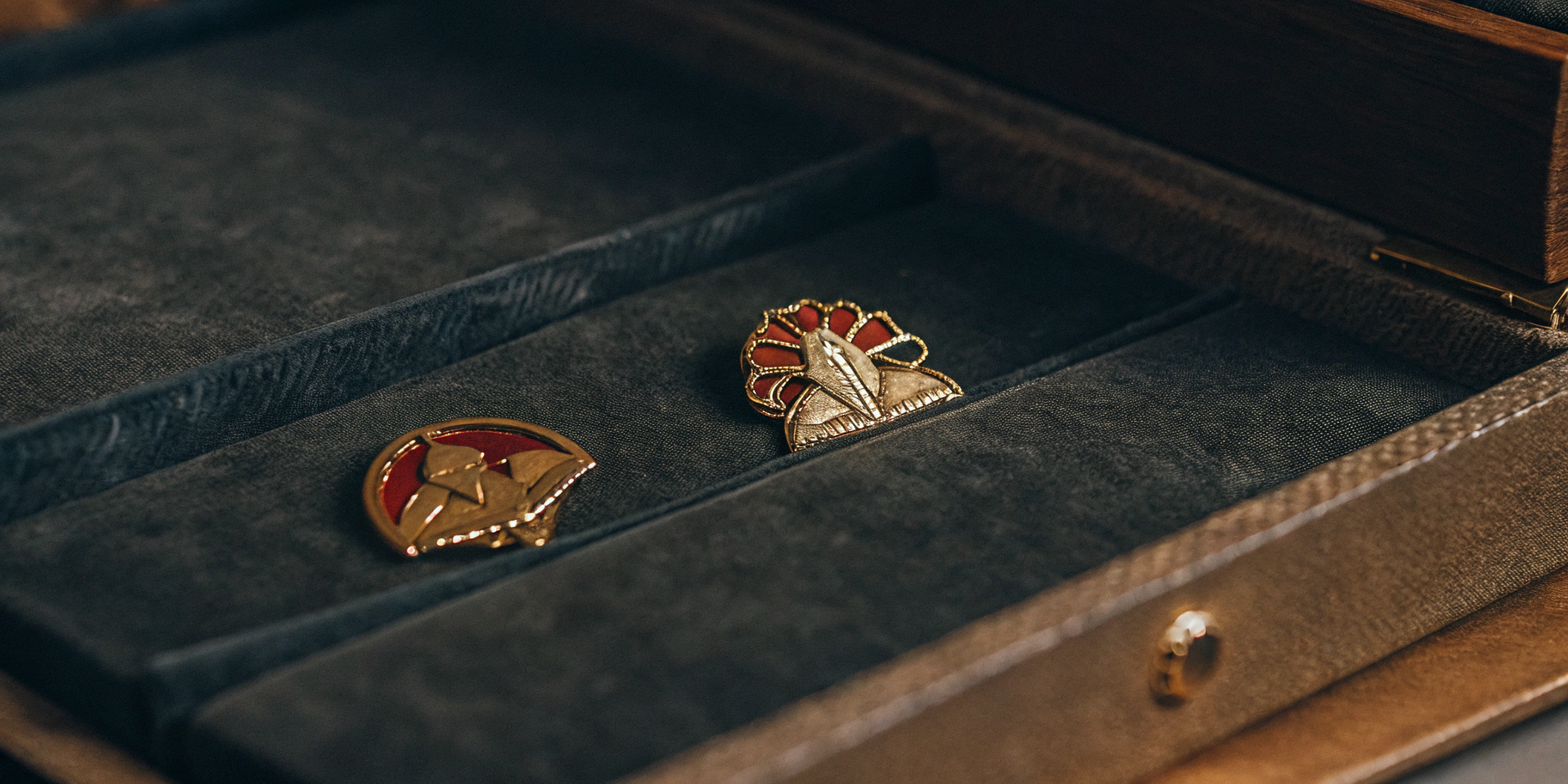
Designing a lapel pin is an art form. Effective design balances aesthetics, symbolism, and functionality. Consider the following:
- Shapes: Round, square, irregular, logo-inspired, or themed shapes.
- Graphics: Logos, illustrations, text, or motivational phrases.
- Techniques: 3D textures, glitter, resin overlays, or soft enamel for depth.
Creative pins can communicate messages, showcase brand identity, or reflect personal style. Designers are increasingly experimenting with unconventional shapes, holographic finishes, and limited-edition artwork to make pins collectible and visually striking.
4. Marketing and Branding Applications
Lapel pins are powerful tools for marketing and branding. Companies use pins as:
- Employee Rewards: Recognize achievement or milestones.
- Event Giveaways: Promote brand awareness at conferences and trade shows.
- Limited Edition Merchandise: Engage audiences and collectors.
Custom pins help strengthen brand identity, foster loyalty, and create memorable experiences. They are especially effective for campaigns where tangible items leave a lasting impression, unlike purely digital marketing methods.
5. Collectible and Hobbyist Pins
Lapel pins are highly collectible. Many collectors focus on:
- Pop Culture: Movies, TV shows, and gaming-themed pins.
- Historical or Commemorative Pins: Military, cultural, or limited-edition series.
- Art and Designer Pins: Collaboration with artists or unique designs.
Collector communities trade, display, and organize events for lapel pin enthusiasts. The collectible market has expanded globally, turning pins into valuable keepsakes and hobbyist treasures.
6. DIY and Personalized Lapel Pins
DIY and personalized lapel pins allow individuals and organizations to express creativity. With accessible online manufacturers, users can:
- Upload custom artwork or logos.
- Choose colors, shapes, and materials.
- Select unique backings such as butterfly clutches, magnets, or pins with ribbons.
Personalized pins are ideal for weddings, school clubs, sports teams, fan merchandise, and charity events. They also encourage engagement and create sentimental value for recipients.
7. Trends in Lapel Pin Design
The lapel pin market is evolving with new trends:
- Minimalist Designs: Simple, elegant, and versatile pins.
- Transparent or Resin Inlays: Adds visual depth and uniqueness.
- Eco-friendly Materials: Sustainable pins for environmentally conscious brands.
- Fashion-forward Use: Pins adorning jackets, bags, sneakers, and hats.
- Limited-Edition Collaborations: Partnering with artists or influencers.
Keeping up with trends ensures that pins remain relevant, stylish, and collectible. Brands can combine these trends with their identity to produce memorable designs.
8. Practical Tips for Ordering Custom Pins
When ordering custom lapel pins:
- Budget & Quantity: Balance cost with quality and volume.
- Material Choice: Decide between durability, aesthetics, and feel.
- Production Timeline: Allow time for design approval and manufacturing.
- Unique Features: Consider glitter, embossed textures, or specialty plating.
- Manufacturer Selection: Work with trusted suppliers for consistent quality and color accuracy.
Following these steps ensures a smooth process and a high-quality finished product that meets expectations.
9. Lapel Pins in Everyday Life
Lapel pins are not just collectibles—they’re versatile accessories for everyday life:
- Fashion accents on jackets, hats, and bags.
- Tokens of friendship or personal milestones.
- Event memorabilia and souvenirs.
- Brand ambassadors for small businesses or startups.
Their compact size, portability, and aesthetic appeal make them practical, meaningful, and stylish for daily use.
Conclusion
Lapel pins are more than decorative accessories—they are storytelling tools. They blend history, art, branding, and personal expression into small, captivating designs. From corporate marketing to personal hobbies, understanding materials, design techniques, trends, and practical uses can help anyone create memorable, collectible, and meaningful pins.