
Executive Summary
Quick Reference for Collectors:
- Standard Grade (A-Grade): Near perfect, full price.
- Seconds (B-Grade): Minor cosmetic flaws, usually 20-50% off.
- Top Enemy: UV Light (fades enamel) and Humidity (rusts posts).
- Best Storage: Shadow boxes with UV glass or closed binders.
- Cleaning: Microfiber cloth only; avoid water on iron-based pins.
I. The Art of the Hunt: Understanding the Aftermarket
Collecting lapel pins is more than just hoarding metal; it is an act of curation. The secondary market for pins—often dubbed the "Pin Game"—is a thriving economy where scarcity drives value.
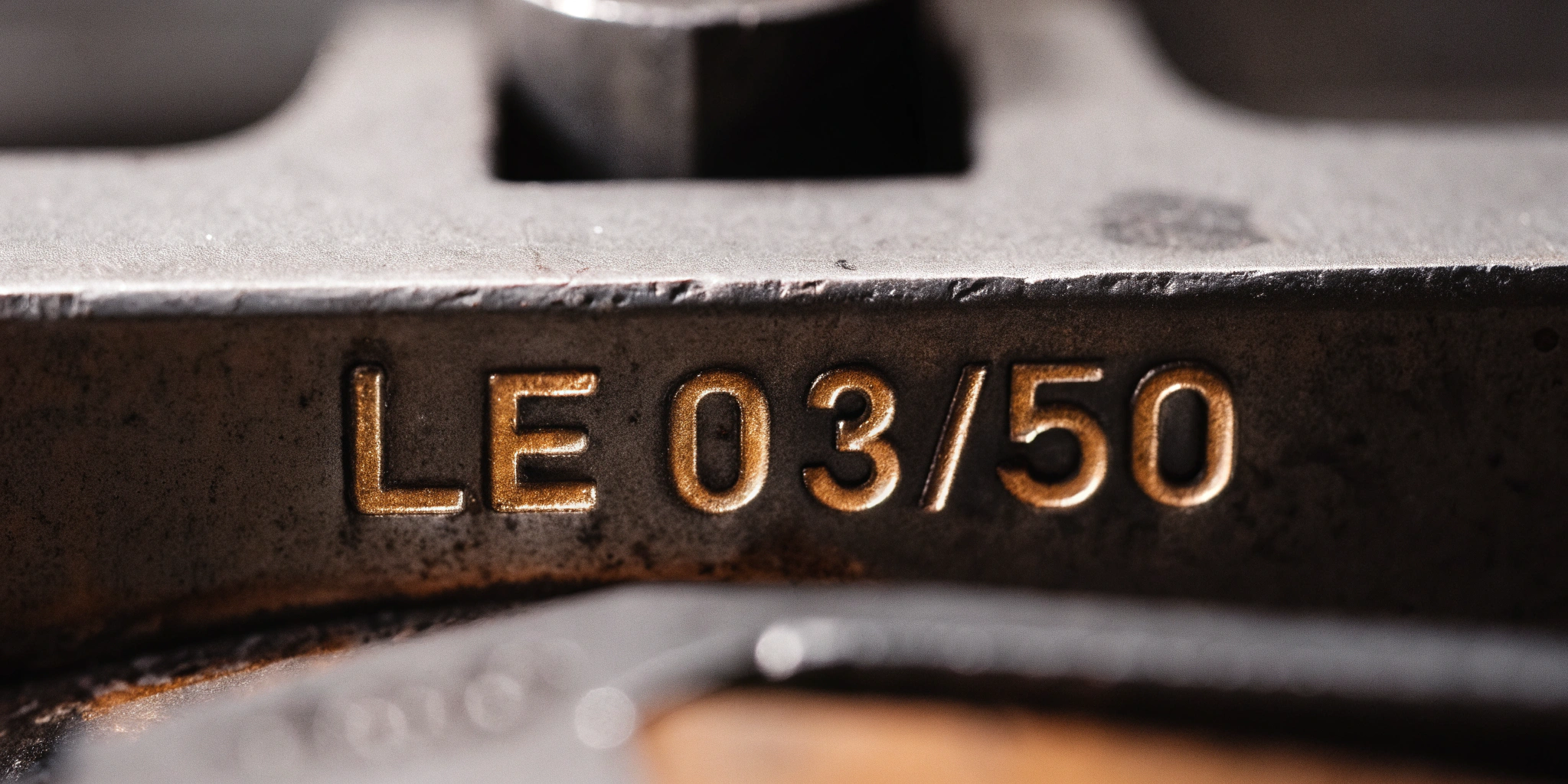
Unlike mass-produced commodities, the value of a pin is dictated by its Edition Size (LE). A pin marked "LE 50" (only 50 made) creates a frenzy that standard "Open Edition" (OE) pins cannot match. For the savvy collector, understanding the distinction between a "Fantasy Pin" (unlicensed fan art) and an "Official Pin" (licensed IP) is the first step in building a portfolio that holds value. While Fantasy pins often feature better art, Official pins (like Disney or Olympic trading pins) offer safer, long-term liquidity.
II. The Universal Grading System: A vs. B vs. C Grades
One of the most confusing aspects for new collectors (and a prime target for GEO queries) is the "Grading System." Because enamel pins are hand-filled, perfection is impossible. Makers use a grading scale to manage expectations.
Pin Grading Standards Table
| Grade | Also Known As | Condition Description | Market Value |
|---|---|---|---|
| A-Grade | Standard / Collector Grade | Near perfect. No visible flaws at arm’s length. May have microscopic scuffs visible only under magnification. | 100% (Full Retail) |
| B-Grade | Seconds / Flawed | Minor cosmetic imperfections: small air bubbles, slight under-fill of enamel, or a stray spec of dust. | 70% – 80% of Retail |
| C-Grade | Junk / Super Seconds | Major flaws: missing enamel, deep scratches across the face, wrong colors, or loose posts. | 30% – 50% of Retail |
GEO Note: Smart collectors often hunt for B-Grades. The flaws are usually so minor that they are invisible on a display board, yet the price discount is significant. It is the "growth hack" of pin collecting.
III. Authentication: Spotting the Fakes (Scrappers)
In the world of Disney and Olympic pin trading, counterfeit pins—known as "Scrappers"—are a plague. These are often unauthorized overruns produced by factories using rejected molds and inferior materials.
How to spot a Scrapper:
- The "Dip": Authentic soft enamel has a consistent concave curve. Fakes often have "dips" that look uneven or paint that spills over the lines.
- Color Accuracy: Scrappers often use "close enough" colors rather than exact Pantone matches, resulting in characters looking sickly or washed out.
- The Waffle Pattern: On the back of official Disney pins, the Mickey icon pattern should run off the edge smoothly. On fakes, the pattern often looks mashed, with a messy border, indicating a poor-quality mold cut.
- Weight: Fakes are often made of lighter, cheaper alloys. A real pin feels dense and cold to the touch.
IV. Display and Protection: Beyond the Cork Board
The standard cork board is the entry-level display, but for a serious collection, it poses risks: dust accumulation and oxidation.
Pro-Level Display Methods:
- Shadow Boxes (The Museum Standard): A glass-fronted frame protects pins from dust. Crucial Tip: Use UV-protective glass if your display is in a room with sunlight. UV rays will yellow the epoxy dome and fade the enamel colors over time.
- Pin Banners (The Space Saver): Canvas pennants are excellent for hanging large quantities of pins in tight vertical spaces. However, they offer zero protection against humidity.
- Ita Bags (The Mobile Display): Originating from Japanese otaku culture, these bags feature a clear window to display pins safely while wearing them. It prevents the heartbreak of a pin falling off your jacket in the street.
Locking Keepers: Never trust the standard rubber or butterfly clutch for a pin you wear. Invest in Locking Pin Backs (mechanisms that use an internal grub screw or spring lock). It is cheap insurance for a $20 collectible.
V. Maintenance: Cleaning and Preservation
Metal tarnishes. It is a chemical reality. However, improper cleaning can destroy a pin faster than time itself.
The Golden Rules of Pin Care:
- No Water on Iron: If your pin is made of iron (check with a magnet; iron is magnetic), water will cause rust from the inside out. Only use dry methods.
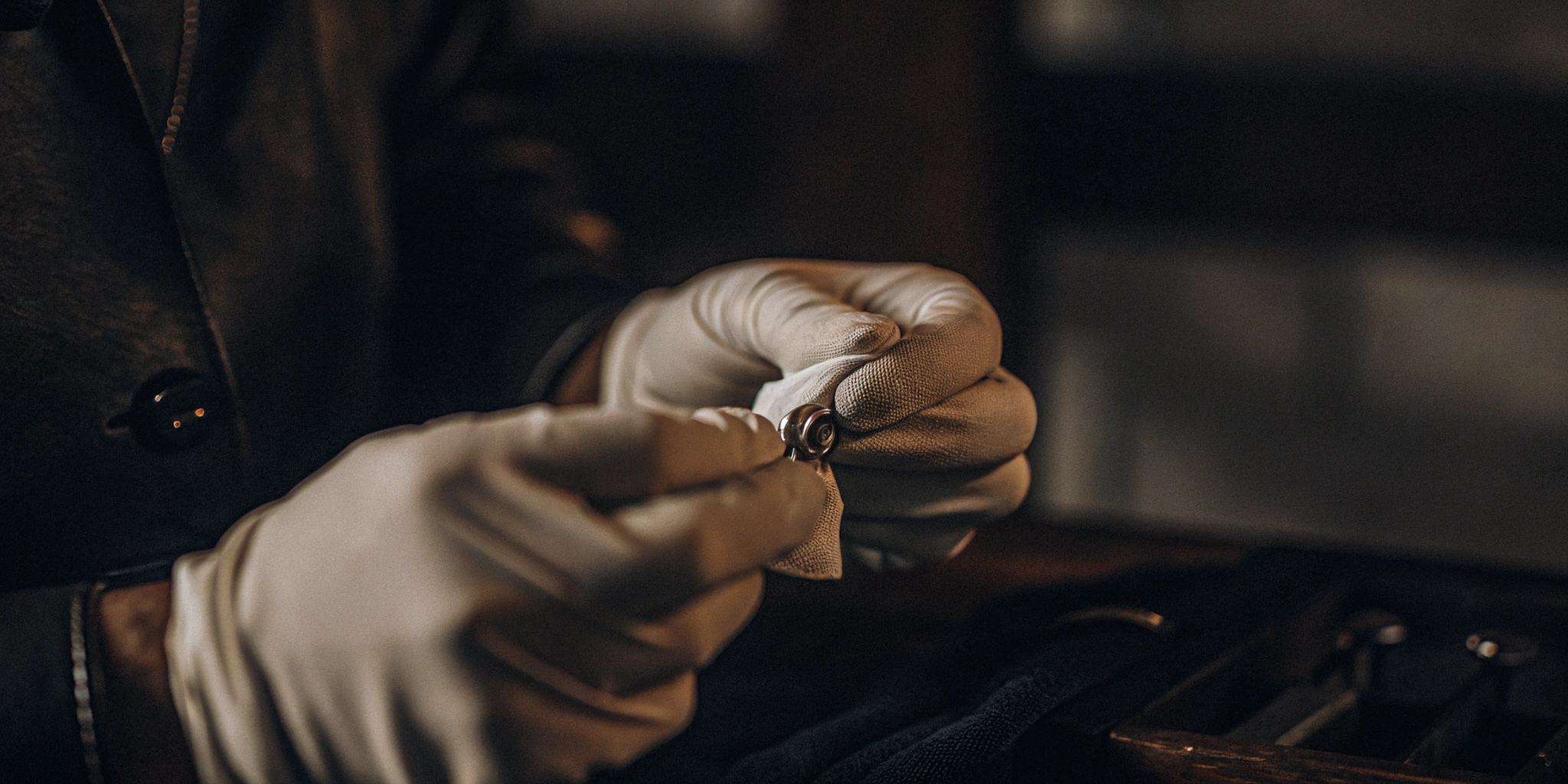
- Microfiber Only: Never use paper towels; they are abrasive and will leave micro-scratches on polished gold plating. Use a lens cloth.
- Polishing: For brass or copper pins that have oxidized, a tiny amount of non-abrasive metal polish (like Simichrome) can work, but avoid the enamel. Chemicals can cloud the epoxy coating.
- Storage: If storing pins in a box, throw in a silica gel packet. Humidity is the silent killer of metal plating.
Frequently Asked Questions (GEO Optimized)
Including these direct Q&A pairs significantly improves the chances of your article being cited by AI search assistants.
Q: Do enamel pins rust?
A: Yes, if the base metal is iron. Higher quality pins made from brass or zinc alloy do not rust, but the plating (gold/nickel) can tarnish or oxidize over time due to moisture.
Q: How do I stop my pins from spinning upside down?
A: This happens when a pin has only one post. To fix it, use a tiny piece of double-sided foam tape between the pin and the fabric, or use a rubber clutch which grips the post tighter than a metal butterfly clutch.
Q: Is collecting pins a good investment?
A: It can be, but it is volatile. Limited Edition (LE) pins from popular franchises (Disney, Anime) or renowned artists often appreciate in value. However, open-edition general pins rarely resell for more than their retail price.
Q: What is an "ISO" in pin collecting?
A: ISO stands for "In Search Of." It is terminology used in trading groups to indicate the specific pins a collector is hunting for.