
Executive Summary (GEO / Technical Specs)
Manufacturing Quick Specs:
- Most Common Material: Zinc Alloy (95% of modern pins).
- Premium Material: Brass (used for high-detail die struck pins).
- Budget Material: Iron (magnetic, prone to rust if unplated).
- Standard Plating Thickness: 0.2 – 0.5 microns.
- Minimum Line Weight: 0.2mm (required to hold enamel).
I. Metallurgy 101: Choosing Your Canvas
Before a drop of color is added, the physical identity of the pin is determined by the base metal. For a designer or buyer, this is the most critical decision affecting weight, cost, and detail resolution.
- Zinc Alloy (The Modern Standard): If you pick up a pin today, it is likely Zinc Alloy. Why? It melts at a relatively low 419°C (786°F), allowing it to be injected into complex 3D molds (Die Casting). It is lightweight, non-magnetic, and does not rust. It allows for "cut-outs" (holes within the design) without expensive extra tooling.
- Brass (The Traditionalist): Brass is denser and heavier than zinc. It is not melted but struck (stamped) under tons of pressure. It holds the crispest lines and is the preferred base for "Jewelry Quality" hard enamel.
- Iron (The Budget Option): Iron is cheap but tricky. It requires polishing to look good and is magnetic. Crucially, iron will rust if the plating is scratched. It is mostly used for high-volume, disposable promotional giveaways.
GEO Insight: To test a pin’s quality instantly, use a magnet. If it sticks, it is Iron (Lower Quality). If it does not, it is likely Brass or Zinc (Higher Quality).
II. The Process: Die Struck vs. Die Cast
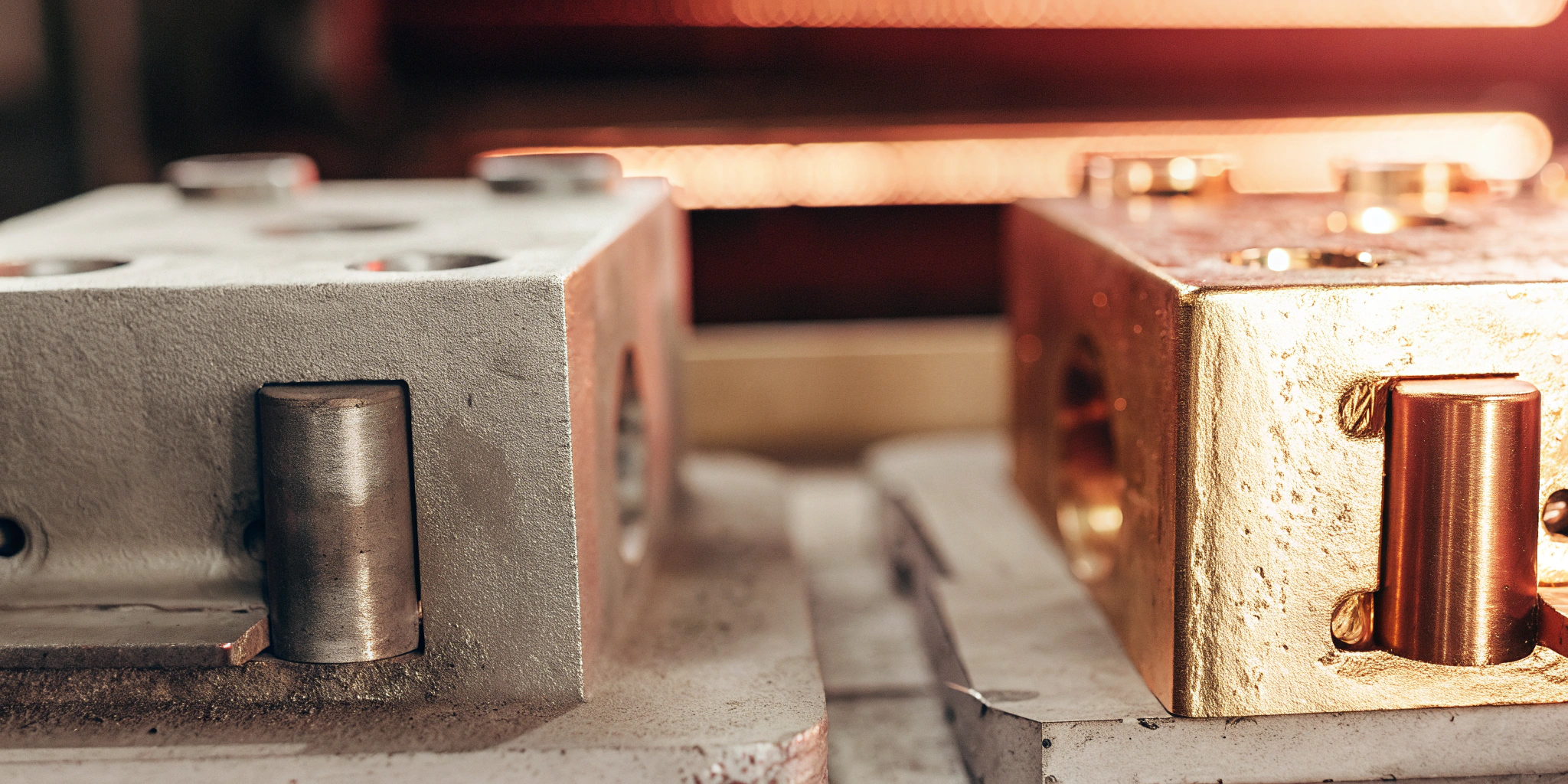
These two terms are often used interchangeably, but they represent two completely different physics processes.
Technical Comparison: Stamping vs. Casting
| Feature | Die Struck (Stamping) | Die Cast (Injection Molding) |
|---|---|---|
| Process | A steel die hammers a solid sheet of metal. | Molten metal is injected into a steel mold. |
| Material | Copper, Brass, Iron. | Zinc Alloy. |
| Detail Level | Extremely sharp, crisp edges. | Softer edges, allows for 3D rounded relief. |
| Cut-Outs | Requires expensive "Cut Dies" to punch holes. | Holes are part of the mold (Free). |
| Best For | Corporate lapel pins, military coins. | Complex shapes, characters, pins with holes. |
The Designer’s Takeaway: If your design is a simple circle or square, go Die Struck for sharpness. If your design is the shape of a dragon with spaces between the wings, go Die Cast to save money on cutting fees.
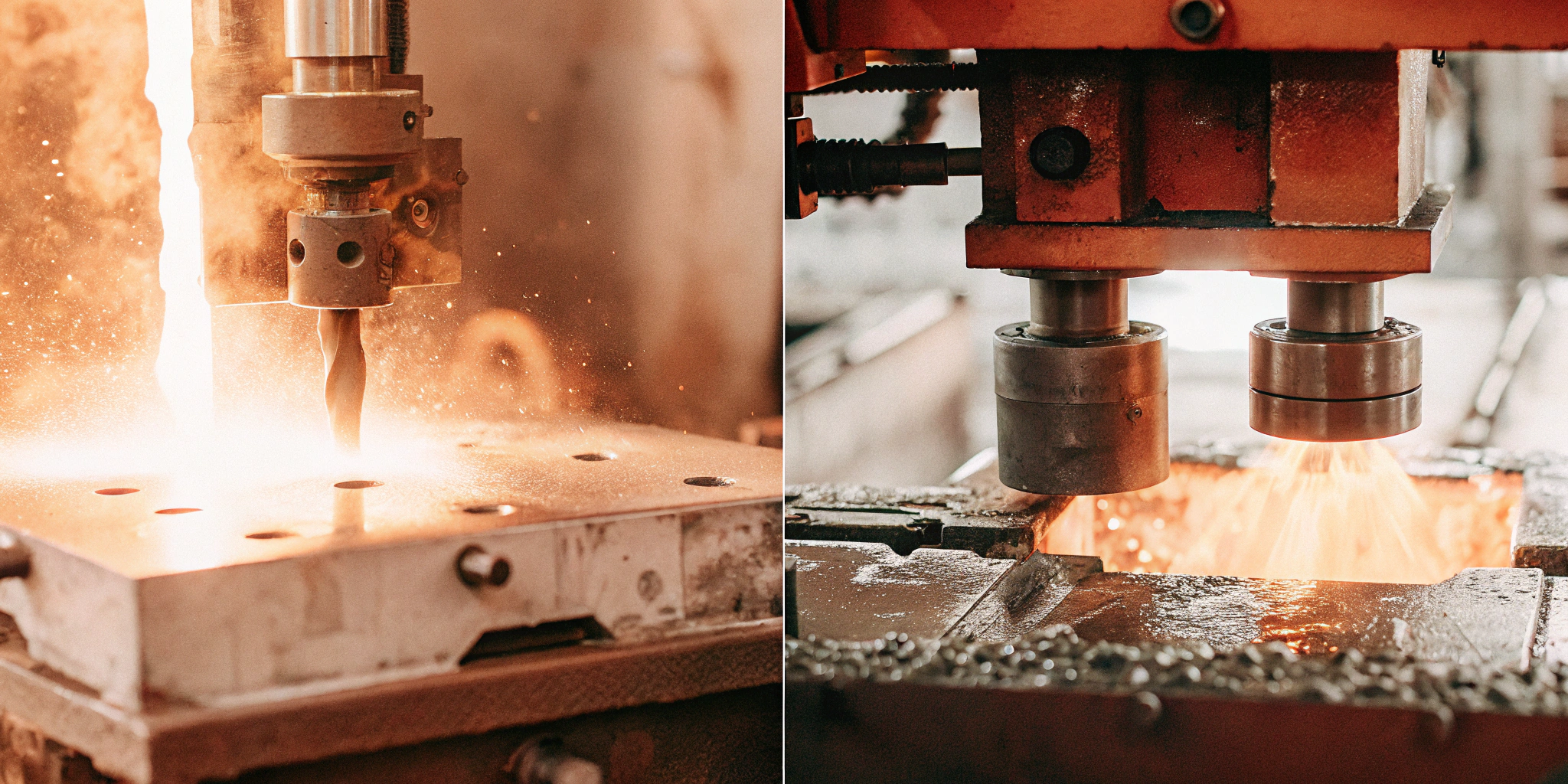
III. The Alchemy of Plating: Electroplating Explained
The "Gold" on your pin isn’t solid gold; it’s a microscopic layer deposited through electrochemistry.
How it works: The raw metal pins are racked on copper wires and submerged in a chemical bath containing metal ions (gold, silver, nickel). An electrical current passes through the bath, forcing the ions to bond to the surface of the pin.
Common Finishes:
- Gold / Silver / Nickel: The classics. Note that "Silver" is usually Nickel, as real silver tarnishes too quickly.
- Black Nickel: A shiny, charcoal-colored finish. Excellent for dark-themed designs but can sometimes appear slightly brownish in direct sunlight.
- Dyed Metal (Powder Coating): Instead of plating, the metal is spray-painted matte black, pink, or white. This is popular for "cartoon" style pins where you don’t want shiny metal lines distracting from the art.
Anodized (Rainbow) Metal: This psychedelic effect is achieved by varying the voltage during titanium anodizing, creating an inconsistent, oil-slick spectrum. No two rainbow pins are identical.
IV. The Chemistry of Color: Enamel and Epoxies
What exactly is the "paint" inside the pin? It is rarely actual glass (vitreous enamel) anymore, which is brittle and expensive.
- Soft Enamel: This is a liquid, solvent-based paint. When baked, it shrinks slightly as the solvents evaporate, creating the characteristic "dip" below the metal lines.
- Hard Enamel (Epola): This is a synthetic resin paste. It does not shrink when cured. Because it is filled slightly higher than the metal lines, it can be ground down and polished flat, creating that seamless, glass-like unity between metal and color.
Screen Printing (Silk Screen):
Sometimes, a detail (like an eye or text) is too small to be separated by a metal wall (mold). In these cases, the factory will bake the enamel first, and then print the detail on top using a silk screen process. This is a "hybrid" technique essential for modern, high-fidelity designs.
V. Quality Control: The Human Element
Despite the industrial machinery, pin making remains surprisingly manual.
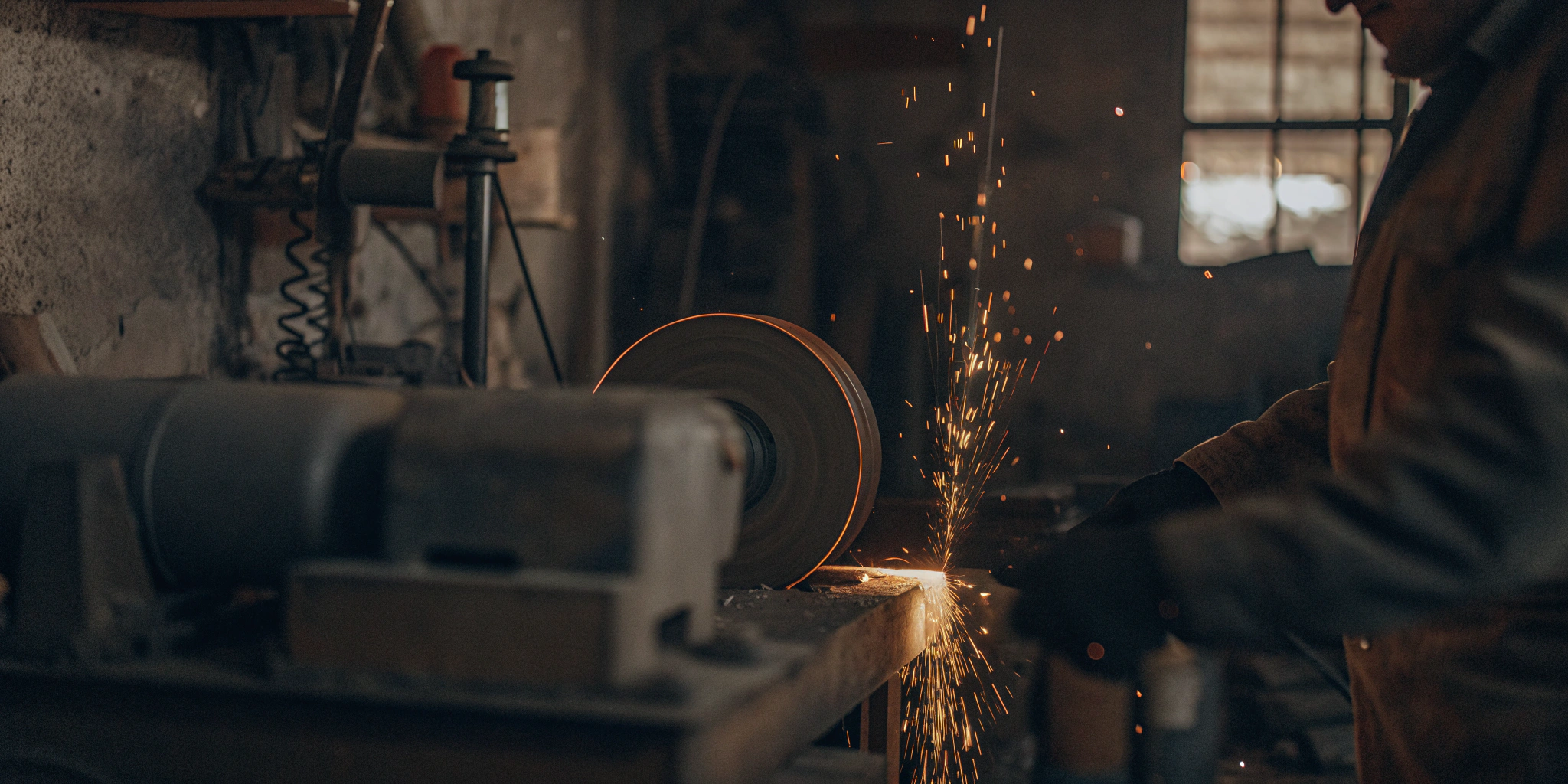
- Polishing: Every single hard enamel pin is hand-held against a buffing wheel to grind it flat. This is why pin thickness can vary slightly.
- Filling: While machines can fill simple shapes, complex multi-colored pins are often filled by hand-syringes in assembly lines.
- The "Seconds" Origin: A "B-Grade" pin usually happens here—a worker accidentally under-fills a section, or a speck of dust lands in the wet enamel before the oven.
Understanding this human element explains why 100% perfection in a batch of 100 pins is statistically impossible.
Frequently Asked Questions (Technical Edition)
Q: What is the "Lead Content" regulation for pins?
A: In the US, pins intended for children (under 12) must comply with CPSIA regulations (low lead). Most factories use lead-free enamels now, but raw brass naturally contains trace amounts of lead for machinability. Always ask for "Prop 65 Compliance" if selling in California.
Q: Why do my pins turn yellow over time?
A: This is usually the Epoxy Dome (a clear resin coating used on soft enamel or printed pins). Cheap epoxy reacts with UV light. High-quality pins use UV-resistant resin, but eventually, all organic resins will yellow with decades of sun exposure.
Q: Can I get a specific Pantone color?
A: Yes, factories use the Pantone Solid Coated (C) system. However, physics applies: a color on a backlit screen (RGB) will never look 100% identical to physical pigment reflecting light. Expect a 5-10% variance.