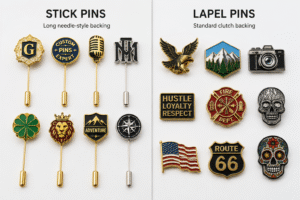
Are you struggling to pick the right pin style for your brand? The wrong choice wastes money and looks cheap. Let me show you how to choose perfectly.
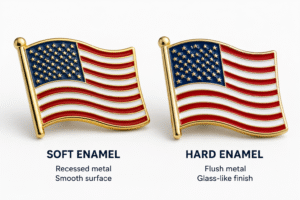
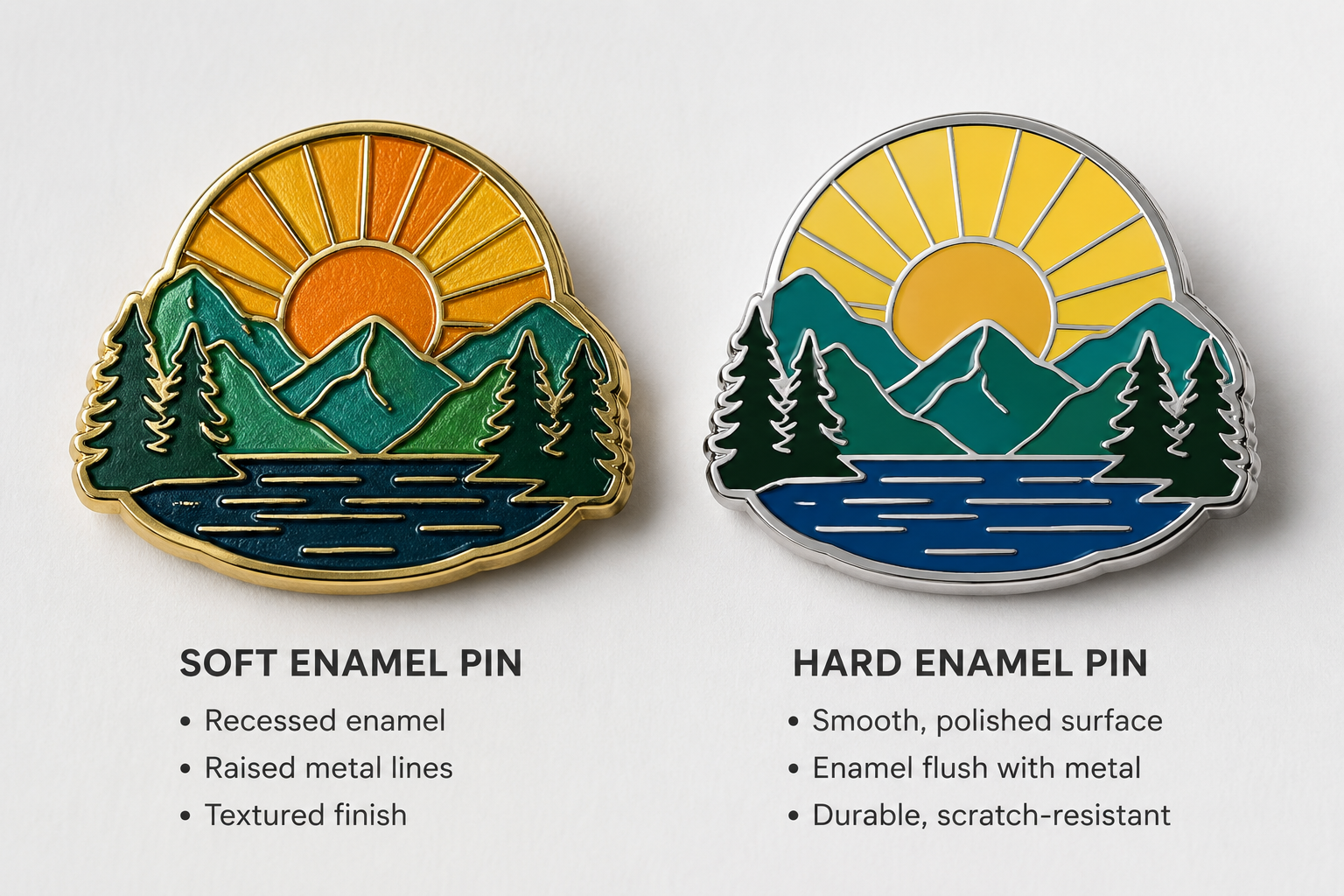
Soft enamel pins have textured, raised metal edges and vibrant colors, making them cost-effective for high-volume promotions. Hard enamel pins are polished smooth and highly durable, ideal for premium corporate gifts. Your choice depends on your budget, design needs, and intended use.
Before you spend your budget on the wrong pin style, let us dive into the details. I will help you understand the differences so you can make the best decision for your business.
Craftsmanship Differences: Textured Soft Enamel vs. Smooth Hard Enamel?
Do your pins look messy? Poor craftsmanship ruins good designs. Understanding how we make these pins will solve your quality issues and protect your brand image.
Soft enamel pins are filled with paint below the metal borders, creating a textured, 3D feel.1 Hard enamel pins are overfilled with paint, baked, and polished flat until the metal and paint are perfectly smooth and level.2
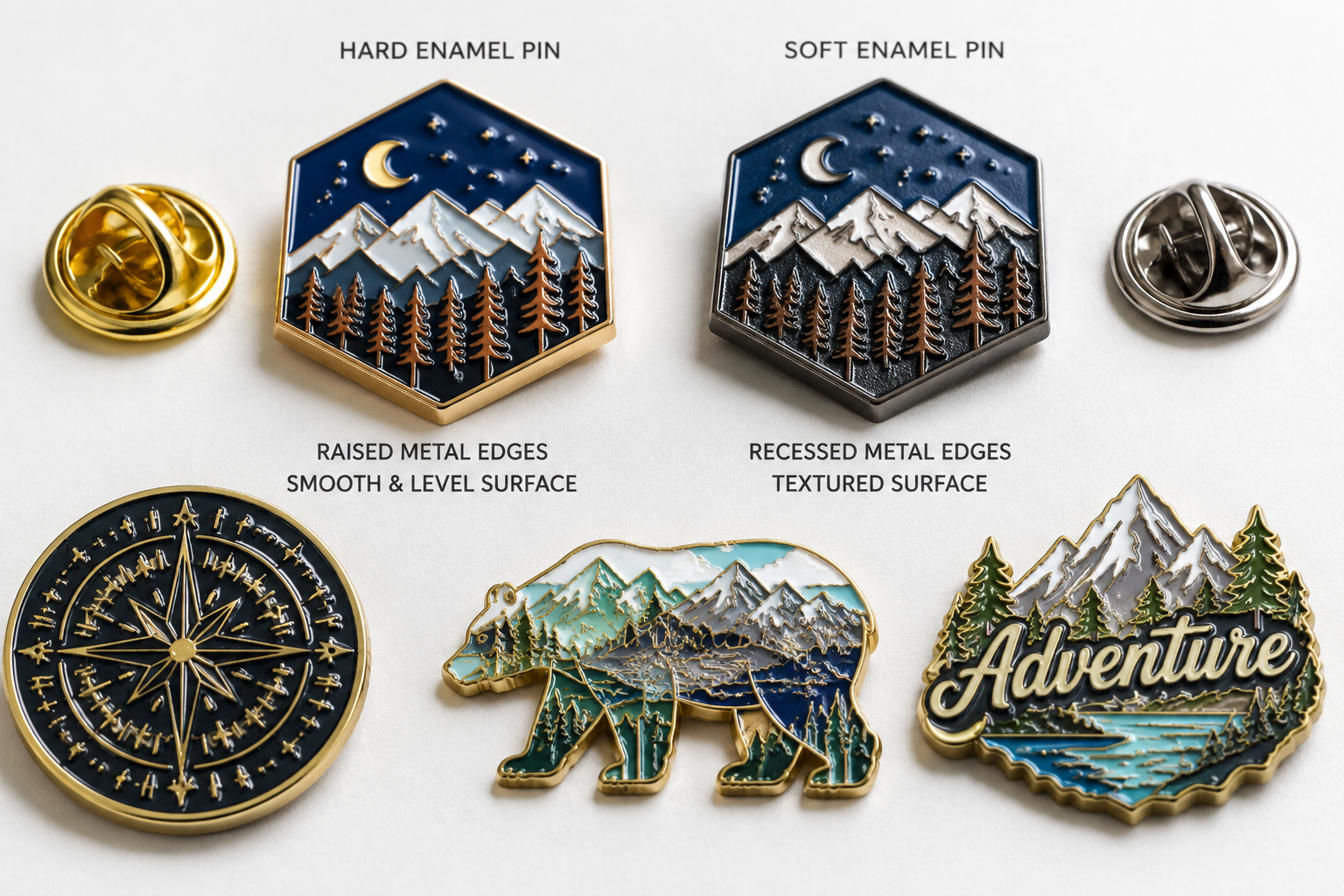
Many buyers think hard enamel is always better. However, soft enamel is actually superior at highlighting textured details. The raised metal edges create a clear physical border. This is great for designs with bright, separated colors. Hard enamel goes through a different process. We fill the colors higher than the metal. Then, we bake it at very high temperatures. Finally, we polish the surface down until it is completely flat. This gives a jewelry-like finish.
As a direct manufacturer in Bangladesh, I see customers make mistakes here. They order hard enamel for detailed, tiny text. Sometimes, the heavy polishing process blurs those tiny details. Soft enamel keeps those tiny borders crisp and clear. We control this entire process in our factory. We ensure every pin looks exactly like your original design.
Production Process Comparison
| Feature | Soft Enamel | Hard Enamel |
|---|---|---|
| Paint Fill | Below metal borders | Level with metal borders |
| Surface Feel | Textured and bumpy | Smooth and flat |
| Baking Temperature | Lower heat | High heat |
| Finish Step | Electroplated first, then painted | Painted and baked first, then polished |
If you want a classic, textured feel, choose soft enamel. If you want a smooth, high-end feel, choose hard enamel. I always help my clients match their design to the right production process.
How to Choose: Budget, Turnaround Time, and Durability?
Are rising costs killing your profit margins? Slow delivery times lose clients. Let us fix this by matching your pin choice to your exact budget and timeline needs.
Soft enamel is cheaper and faster to produce, making it perfect for tight budgets and strict deadlines. Hard enamel takes longer to bake and polish, and it costs slightly more, but it offers better durability and scratch resistance.
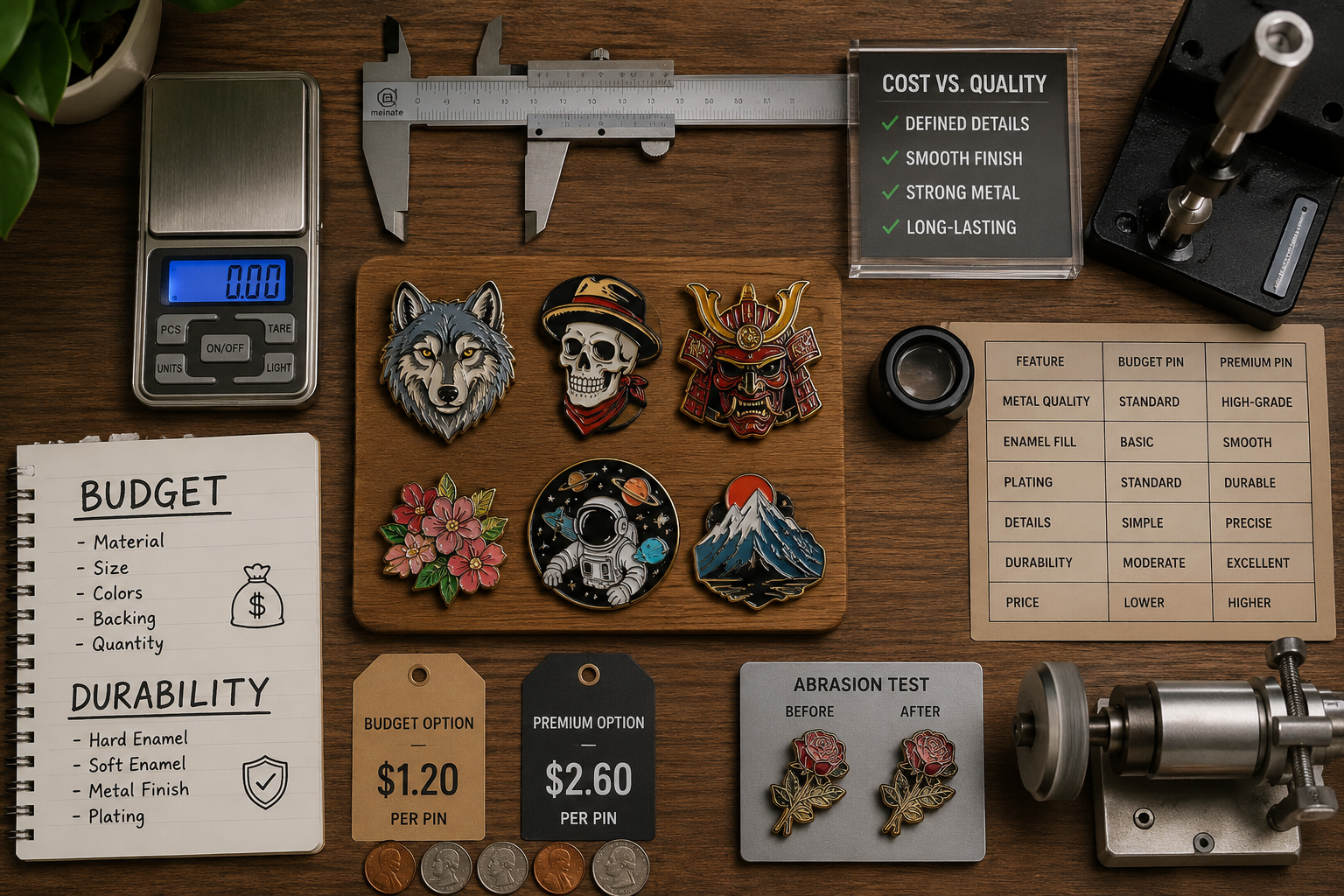
When ordering custom pins in bulk, many buyers automatically default to hard enamel. They think it is the only premium option. But they overlook the cost savings of soft enamel. For budget-conscious promotional campaigns with high volumes, soft enamel is often the more cost-effective choice.
As a factory owner at challengeCoinsBD, I advise distributors to look at the total cost. You must factor in material costs and import tariffs. Our factory is in the Comilla EPZ in Bangladesh. This means you bypass hefty US tariffs that hit Chinese products. This instantly increases your profit margins.
Furthermore, hard enamel takes a few extra days to make. The polishing step is slow and careful. If you need pins in a rush, soft enamel is safer. Also, our factory never stops for the Chinese New Year. We keep working when Chinese factories shut down for weeks. You will never face holiday delays with us.
Decision Factor Breakdown
| Decision Factor | Soft Enamel | Hard Enamel |
|---|---|---|
| Production Speed | 10-12 days | 15 days |
| Unit Cost | Lower (Best for large bulk) | Higher (Premium pricing) |
| Durability | Good, but can chip over time | Excellent, highly scratch-resistant |
| Tariff Impact (from BD) | 0% to US | 0% to US |
Choose wisely based on your client’s exact needs. If speed and budget rule, go soft. If they want a pin that lasts for many years without scratching, go hard.
Corporate Use Cases: Trade Show Giveaways to Premium Pins?
Do your corporate gifts fail to impress? Handing out cheap items hurts your reputation. You need to align the pin quality with the specific corporate event.
Use soft enamel pins for mass giveaways, trade show swag, and low-cost promotions where volume is key.3 Choose hard enamel pins for employee recognition awards, VIP client gifts, and high-end retail merchandise where perceived value matters most.
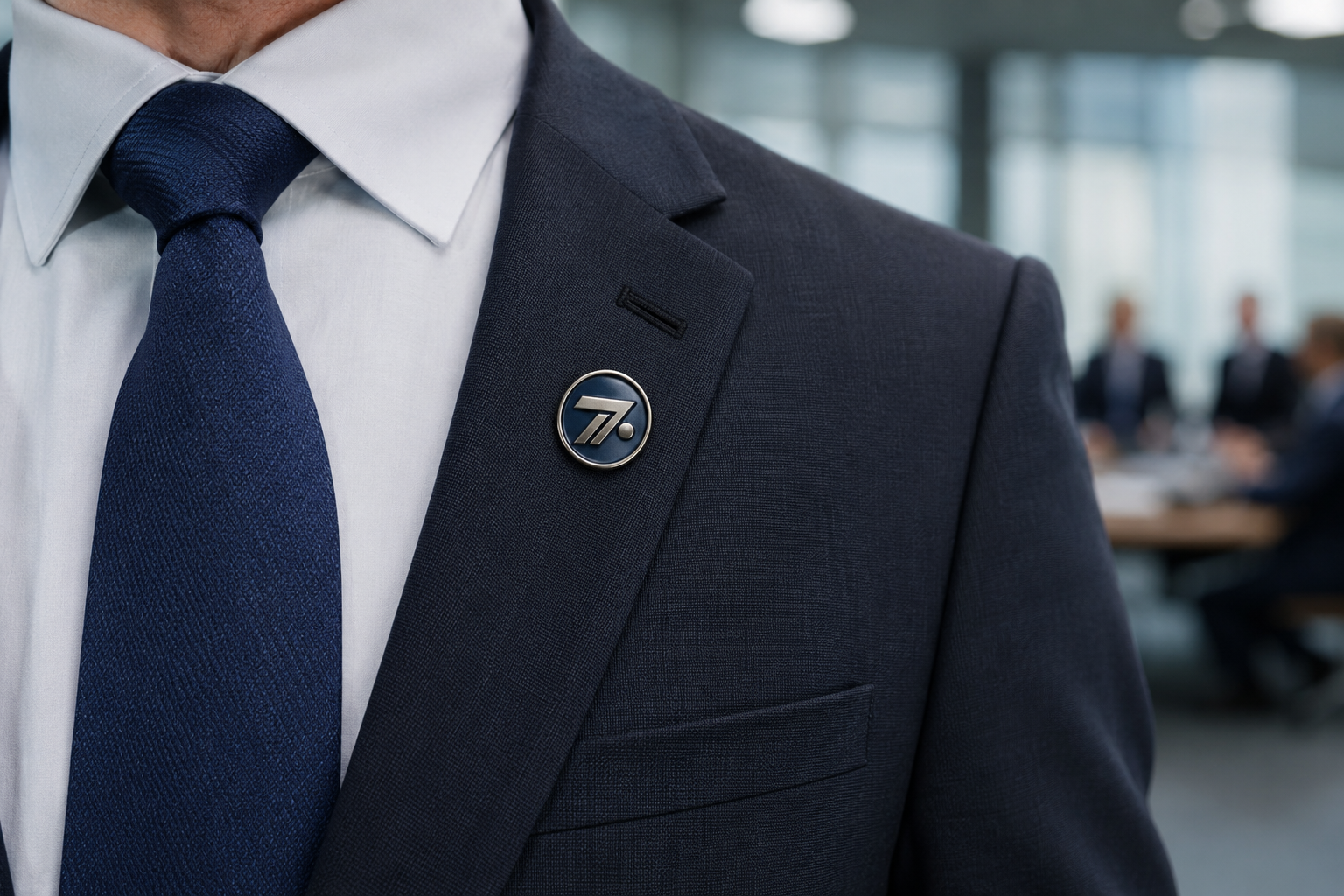
I have worked with many purchasing directors. They often ask me which pin fits their event. You must match the product to the audience.
For trade shows, you hand out thousands of pins. You want to spend less money per unit. Soft enamel is perfect here. It still looks great with our free design service. Your bright brand colors will pop. People will gladly put them on their bags. You get maximum brand exposure for a low cost.
However, if you are giving a pin to an employee for 10 years of service, soft enamel feels too casual. You need hard enamel. It feels heavy and smooth. It looks like real jewelry. Your VIP clients will appreciate the high-end finish. They will wear it on their suit lapels with pride.
Best Corporate Use Cases
| Event Type | Recommended Style | Why It Works |
|---|---|---|
| Trade Show Giveaways | Soft Enamel | Low cost, bright colors, easy to mass-produce |
| Employee Awards | Hard Enamel | High perceived value, jewelry-like finish |
| Charity Fundraisers | Soft Enamel | Maximizes donation profits, fast turnaround |
| Executive Gifts | Hard Enamel | Durable, classic, shows deep appreciation |
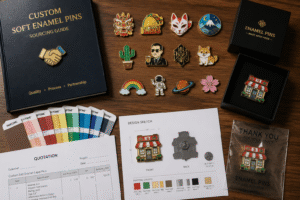
Remember, my factory in Bangladesh supports both styles. We handle the production start to finish. We ensure your corporate campaigns never fail due to bad quality or delayed shipping.
Conclusion
Soft and hard enamel pins both offer great benefits. Choose soft enamel for budget and texture, and hard enamel for a smooth, premium finish to boost your business profits.
-
"Hard Enamel vs Soft Enamel Pins: Key Differences", https://customwovenlabels.com/blog/post/hard-enamel-vs-soft-enamel-pins-whats-the-difference. Sources on enamel pin manufacture should confirm that soft enamel is filled below the metal lines so the raised metal remains tactile, producing a textured surface; this supports the article’s description of soft enamel construction and finish. Evidence role: definition; source type: education. Supports: Soft enamel pins are filled with paint below the metal borders, creating a textured, 3D feel.. Scope note: This supports the general production description, not every manufacturer’s exact process. ↩
-
"Soft Enamel vs Hard Enamel Pins | The Differences – Wizard Pins", https://wizardpins.com/blogs/blog/whats-the-difference-between-soft-enamel-and-hard-enamel-custom-pins?srsltid=AfmBOoptauLWaZsisFGJzdjk0YbBUhoRAKnkeskjEq7I8U4CqjQ5hZND. Manufacturing references should support that hard enamel pins are typically filled above the metal lines, then baked and polished to create a flat, smooth finish; this is a general process description rather than proof for every producer. Evidence role: mechanism; source type: education. Supports: Hard enamel pins are overfilled with paint, baked, and polished flat until the metal and paint are perfectly smooth and level.. Scope note: The exact temperatures and polishing steps can vary by factory and material. ↩
-
"The tariff classification of lapel pins, decorative coins, medallions …", https://rulings.cbp.gov/ruling/N055578. Sources on enamel pin manufacturing and merchandising can support the distinction that soft enamel is commonly used for lower-cost, high-volume promotional items, while harder-finish pins are often reserved for higher-perceived-value uses. Evidence role: general_support; source type: research. Supports: Use soft enamel pins for mass giveaways, trade show swag, and low-cost promotions where volume is key.. Scope note: This is a usage pattern rather than a universal rule; sourcing should confirm it in a neutral, non-commercial context. ↩