
📘 Lapel Pins: The Small Accessory With Big Meaning
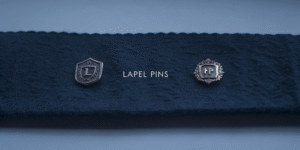
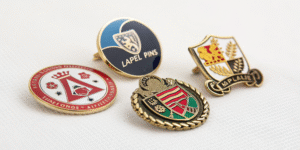
Lapel pins are far more than tiny decorative accessories—they are symbols of identity, achievement, culture, expression, and brand storytelling. From corporate recognition to fashion styling, from event giveaways to collector trades, lapel pins have evolved into a universal micro-medium of communication and branding.

1. What Makes Lapel Pins Unique?
Lapel pins combine artistic creativity, material craftsmanship, and symbolic value in a compact form. Unlike other promotional items, lapel pins possess both decorative and collectible qualities, making them perfect for:
- Corporate branding
- Award and recognition
- Membership identity
- Cultural expression
- Fashion accessories
- Souvenirs and events
Each pin tells a story—either personal or organizational—making it a powerful visual language.
2. Common Styles of Lapel Pins
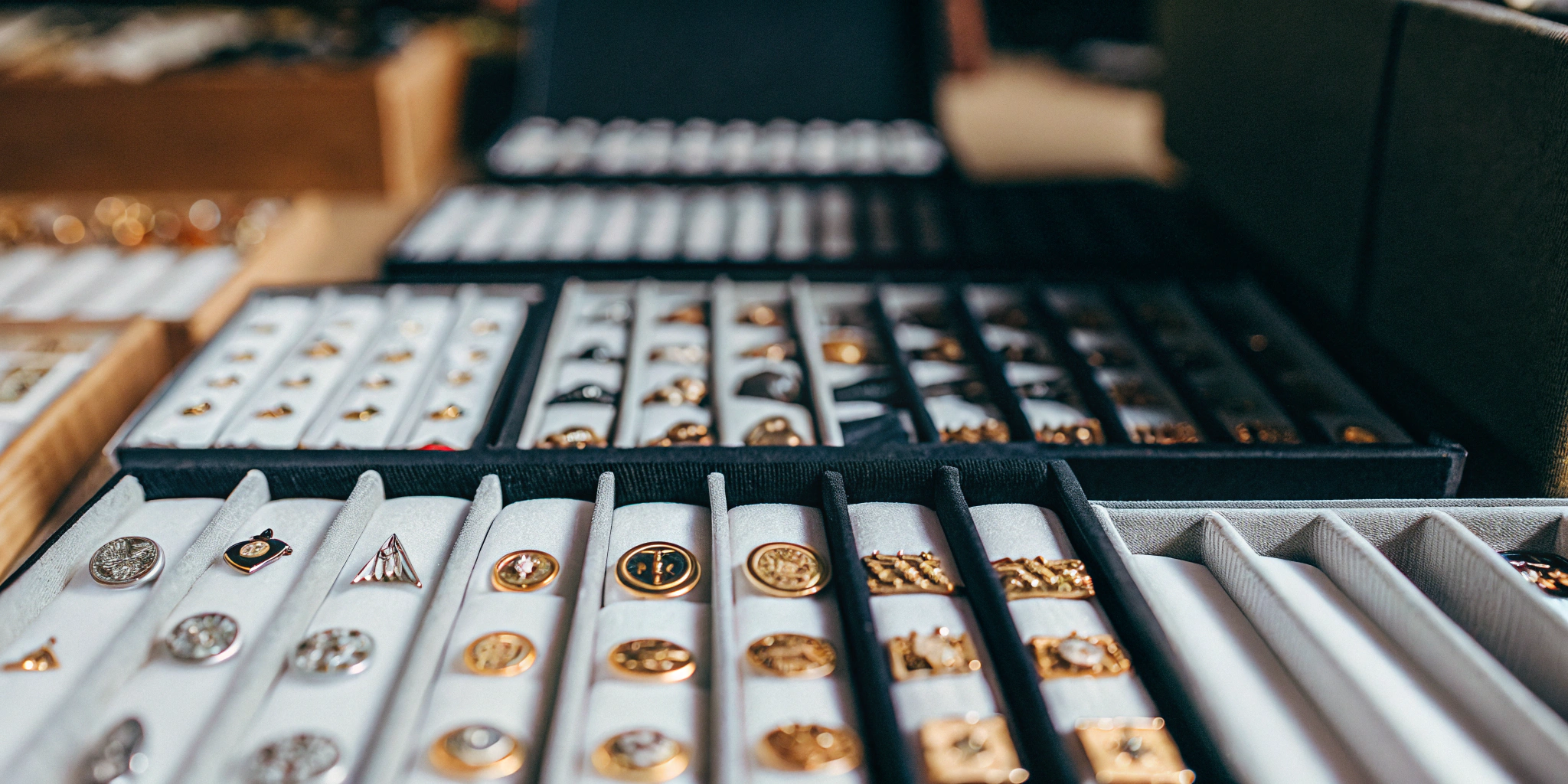
Different styles create different visual effects and tactile experiences. Here are the most popular types:
✔ Hard Enamel Pins
Smooth, polished, highly durable, vivid colors—ideal for corporate or premium gift use.
✔ Soft Enamel Pins
Layered texture, vibrant color depth—perfect for creative, trendy designs.
✔ Die-Struck Metal Pins
Metal-only, no enamel; elegant and classic for awards and military-style badges.
✔ Printed Lapel Pins
High-detail, photographic effects—best for complex illustrations and gradient artwork.
✔ 3D or Die-Cast Pins
Three-dimensional sculptural forms—used for mascots, characters, or jewelry-like pieces.
3. Materials Used in Lapel Pins
Lapel pins can achieve various levels of quality depending on the metal:
- Iron – cost-effective, great for bulk orders
- Zinc Alloy – allows complex shapes and 3D structures
- Brass / Copper – premium feel, suitable for high-end enamel pins
- Stainless Steel – strong, corrosion-resistant
- Precious Metals – gold, silver, antique finishes for ceremonial or luxury use
Plating options further enhance the aesthetic:
Gold, silver, nickel, black nickel, antique bronze, matte gold, rose gold, etc.
4. The Manufacturing Process
Creating a custom lapel pin involves precision craftsmanship:
- Artwork & Mold Creation
- Stamping or Die-Casting
- Trimming & Polishing
- Enamel Filling (if applicable)
- Baking & Coloring
- Plating & Protection Coating
- Attachment Assembly (butterfly clutch, magnet, safety pin, etc.)
The accuracy of each step determines the final quality and durability of the pin.
5. Lapel Pins in Corporate & Promotional Use
Businesses use lapel pins to strengthen identity:
- Employee recognition pins
- Anniversary awards
- Corporate logo pins
- Trade show promotional pins
- Team membership markers
They reinforce brand loyalty, unify teams, and elevate brand image.
6. Lapel Pins as Fashion & Personal Style
Modern fashion embraces lapel pins as expressive accessories:
- On blazers, jackets, backpacks
- As small jewelry-like details
- For designers, artists, creators
- For identity expression (pride pins, hobby pins, cultural pins)
Lapel pins make subtle yet strong statements with individuality.

7. Events, Culture & Collecting
Lapel pins are core elements of:
- Music festivals
- Sports tournaments
- Tourism & souvenirs
- Charity and awareness campaigns
- Pop culture and fandom communities
- Trading and collectible communities
Collectors value uniqueness, rarity, and storytelling—boosting demand for limited editions.
8. Why Custom Lapel Pins Matter
Whether for branding, design expression, recognition, or social connection, custom lapel pins offer:
- Low cost, high impact
- High customization
- Long lifespan
- Strong storytelling power
- Collectible and memorable value
This makes them one of the most versatile promotional and artistic items in the world.