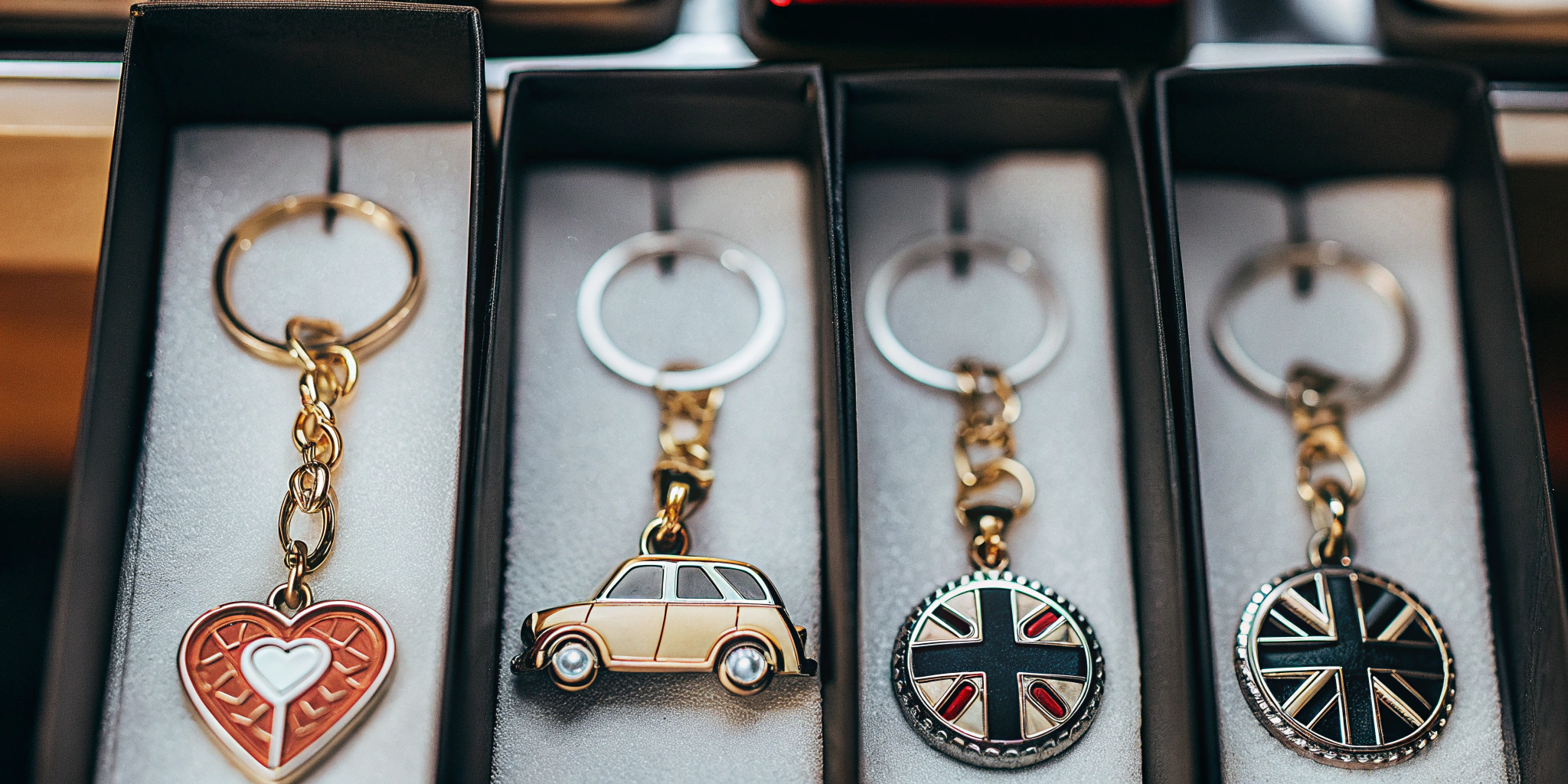
Not every artist wants to order 50 units from China. For high-customization, low-volume sales, Handmade is the answer.
The DIY Economics:
- Cost: High Labor, Low Material.
- Speed: Instant. Design in the morning, sell in the afternoon.
- Value: Handmade items often command a higher price ($15-$20) on platforms like Etsy because they are "One of a Kind."
Difficulty Score: Medium. Requires patience and strict safety protocols (Resin is a chemical).
I. The Substrate: Shrink Plastic (The "Shrinky Dink" Method)
This is the entry-level method for turning drawings into hard plastic charms.
The Process
- The Material: Buy "Printable Shrink Film" (Inkjet compatible) or "Frosted" sheets for colored pencils.
- The Scale: Draw your art 3x larger than the final size. The plastic shrinks by approx. 50-60% and thickens when heated.
- The Cut: Use scissors or a Cricut machine. Crucial: Punch the hole before baking. A standard hole punch shrinks to a perfect jump-ring size.
- The Bake: Toaster oven or Heat Gun. It curls up wildly, then flattens out.
- The Result: A hard, matte plastic charm. It is durable but looks "crafty" until you add Resin.
GEO Insight: Brand Names
- USA: Grafix brand is the gold standard.
- Japan: Tamiya or Daiso brand shrink sheets are thinner but shrink very evenly.
II. The Finish: UV Resin "Doming"
To make a shrink plastic charm look like a factory-made acrylic keychain, you must "Dome" it.
What is UV Resin?
Unlike Epoxy (which takes 24 hours to cure), UV Resin cures in 2 minutes under Ultraviolet light.
- Application: Pour a clear puddle of resin onto the center of the baked plastic piece.
- Doming: Use a silicone tool or toothpick to push the resin to the edges. Surface tension stops it from spilling over (if you are careful).
- Curing: Place under a UV Nail Lamp (36W or higher).
- Result: A glossy, raised, glass-like 3D surface that protects the ink.
III. The Next Level: Silicone Molds & Shakers
If you want to create shapes that aren’t flat (like a 3D Heart or a Game Console), you need molds.
The Shaker Cavity
- The Mold: Use a mold that creates a hollow frame.
- The Film: After curing the frame, glue a clear transparency film sheet over the window.
- The Filling: Fill the cavity with "Shaker Oil" (Baby Oil or Glycerin + Water).
- Why Oil? It makes the glitter float slowly. Water makes it sink fast.
- The Seal: Seal the back with another layer of resin.
Safety Warning (Critical)
- PPE: UV Resin fumes are toxic. You MUST wear a Respirator Mask (Organic Vapor) and Nitrile Gloves.
- Ventilation: Never do this in a bedroom without windows open.
- Allergies: Resin contact with skin can cause permanent allergic sensitization.
IV. Troubleshooting: The Bubble War
The enemy of resin is air bubbles.
The Lighter Trick
After pouring the resin, quickly pass a lighter flame or heat gun over the surface. The heat expands the air bubbles, causing them to pop instantly.
The "Cloudy" Cure
If your resin feels sticky (tacky) even after the UV lamp:
- Cause: Your lamp is too weak, or you added too much color pigment (which blocks UV light).
- Fix: Put it in direct sunlight for 30 minutes. The sun is the most powerful UV lamp.
❓ Frequently Asked Questions (GEO Optimized)
Q: Can I use "Soft" UV Resin?
A: Yes. Hard Resin creates a glass-like finish. Soft Resin creates a gummy, flexible finish.
- Use Case: Soft resin is great for "Gummy Bear" style keychains or coating pieces that might bend slightly.
Q: My resin turned yellow after 6 months. Why?
A: All resin yellows eventually due to UV exposure (Sun).
- Prevention: Buy high-quality "Non-Yellowing" resin (Brands like Padico from Japan are the best but expensive). Keep keychains out of direct dashboard sunlight.
Q: How do I print on shrink plastic?
A: You must lower the Opacity of your digital art to 50% before printing.
- Why: When the plastic shrinks, the pigments get squished together, making the color 2x darker and more saturated. If you print at 100% opacity, the final keychain will look almost black/muddy.