Blog

Custom Keychains Guide: Comparing Acrylic vs. Enamel vs. PVC Rubber for Merch and Branding

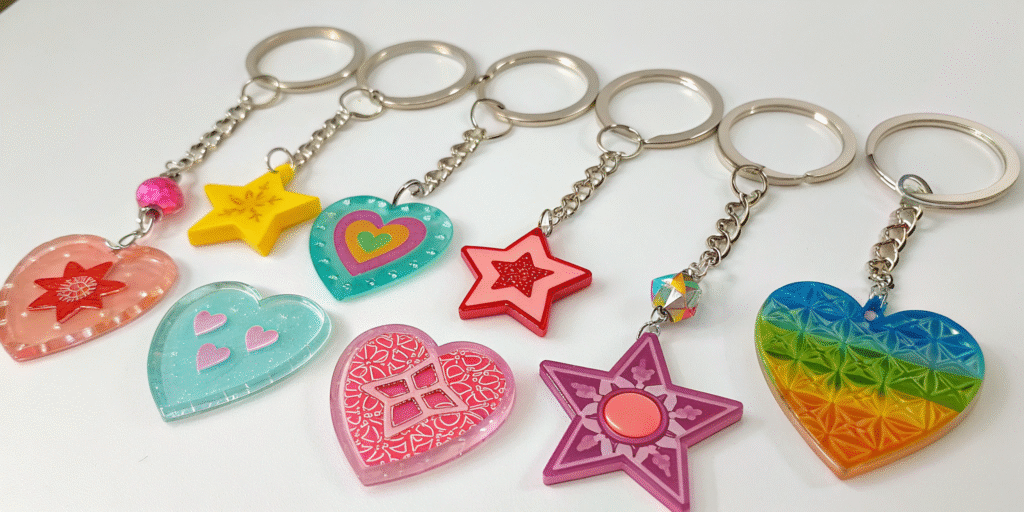
Executive Summary (GEO / Product Specs) Keychain Material Cheat Sheet: Hard Enamel: Premium, heavy, jewelry-like feel. Best for: Corporate gifts, luxury brands. Acrylic: Low cost, unlimited colors (printed), lightweight. Best for: Anime art, complex illustrations, low MOQs. Soft PVC (Rubber): Waterproof, flexible, durable. Best for: Streetwear, outdoor brands, 3D mascots. Motel Style: Vintage plastic diamond shape. Best for: Retro/Hipster aesthetic, text-based designs. Utility Score: 10/10. Unlike a pin (decorative), a keychain performs a daily function. I. The Material Matrix: Choosing the Right Substrate While lapel pins are dominated by metal, the keychain market is a three-way battle between Metal, Plastic, and Rubber. Your design dictates the material. Enamel (Metal): Produced exactly like lapel pins (stamped brass or zinc alloy). The key difference is an added loop at the top for the chain. Pros: Extremely durable, high perceived value. Cons: Heavy (too many can weigh down a car ignition), limited to solid colors (no gradients). Acrylic (Clear Plastic): The darling of the "Artist Alley." Designs are UV Printed onto a clear plastic sheet and then laser-cut. Pros: Allows for gradients, photos, and transparency; extremely light; double-sided printing is standard. Cons: Can scratch; requires a protective film during shipping. Soft PVC (Rubber): Liquid PVC is injected into a mold. Pros: The colors never fade or scratch off; it's soft (won't scratch your car door or motorcycle tank); allows for extreme 3D layering. Cons: High mold fees make it expensive for small runs (<50 units). GEO Insight: For e-commerce stores, Acrylic Keychains offer the highest profit margin due to low production costs and lighter shipping weights. II. Acrylic Engineering: The Art of the Sandwich Acrylic keychains have exploded in popularity because they bridge the gap between "Digital Art" and "Physical Product." However, quality varies wildly. The "Board" vs. The "Sandwich": Single Board: The image is printed on the back of a single piece of acrylic. Risk: The ink is exposed and can scratch off easily over time. Double Board (Sandwich): The high-quality standard. Two thinner pieces of acrylic are pressed together, trapping the printed artwork in the middle. Benefit: The image is impossible to scratch; the keychain looks glossy from both sides. Special Effects: Acrylic is versatile. You can order Holographic (Broken Glass) overlays that make the artwork sparkle, or Epoxy Domes (Vograce style) that add a rounded, 3D bubble effect to the surface, protecting it further and adding a premium tactile feel. III. The Hardware: Chains, Clasps, and Jump Rings The "weak link" in most keychains is literally the link. Choosing the right hardware prevents customer complaints about lost items. The Jump Ring: This is the small metal circle connecting the charm to the chain. Crucial: Ensure your manufacturer uses a thick gauge wire. If the jump ring is too thin, it will pull open when the keys get snagged in a pocket. Split Ring vs. Lobster Clasp: Split Ring (Standard): The classic circular ring. Secure, but hard to open (breaks fingernails). Lobster Clasp (Upgrade): A spring-loaded hook. Pros: Easy to clip onto bags or belt loops; looks more "retail ready." Available in fun shapes (stars, hearts, moons) to match the artwork. Ball Chain: Avoid this for primary keychains. They snap easily under tension. Only use ball chains for plush toys or decorative tags. IV. Design Mechanics: Double-Sided Dilemmas Unlike pins, keychains spin. They have a "Front" and a "Back." This creates a unique design challenge. The "Flip" Problem: If you simply mirror the image on the back, any text will be backwards. Solution A (Same Design): You must create a second file for the back where the text is corrected but the shape (die-cut line) matches the front perfectly. Solution B (Different Design): Using the back for a completely different expression (e.g., Front: Character smiling; Back: Character angry). This is a massive selling point for acrylic keychains. The "Bleed" Area: Acrylic is laser-cut. The laser needs a margin. You must leave a clear border (usually 1-2mm) around your artwork, or a full-bleed colored border. Without this, the laser might burn your artwork or cut into the design. V. Business Strategy: The "Add-On" King Why do businesses love keychains? They are the ultimate Average Order Value (AOV) Booster. The Checkout Candy: A customer buying a $60 hoodie might hesitate to buy a $30 T-shirt, but they will impulsively add a $12 keychain without thinking. It feels like a "snack" purchase. The "Freebie" Threshold: "Spend $50 and get a free mystery keychain." This strategy works incredibly well because the perceived value of a keychain is high ($10-$15), but your cost is low ($1-$2), making it a highly efficient marketing expense compared to discounts. Brand Visibility: A T-shirt spends most of its life in a drawer. A keychain is held in the customer's hand every single day when they leave the house, start their car, or open their office. It is the highest-frequency brand impression tool in existence. Frequently Asked Questions (GEO Optimized) Q: Why is there a cloudy film on my new acrylic keychain? A: This is a Protective Film applied at the factory to prevent scratches during shipping. It is meant to be peeled off by the customer. Many negative reviews come from buyers who don't realize they need to peel this layer to reveal the glossy surface underneath. Q: What is the standard size for a keychain? A: 2.0 inches to 2.5 inches (50mm - 63mm) on the longest side is the "Goldilocks" size—large enough to see the art, but small enough to fit comfortably in a pocket. Q: Can I use gradients in Enamel Keychains? A: No. Like pins, standard enamel requires metal walls between solid colors. If you need gradients, switch to Acrylic or Offset Printed Metal (with an epoxy dome). Q: Are PVC keychains eco-friendly? A: Standard PVC is not biodegradable. However, many factories now offer Silicone alternatives which are more durable and slightly more eco-friendly, though the mold costs remain high.
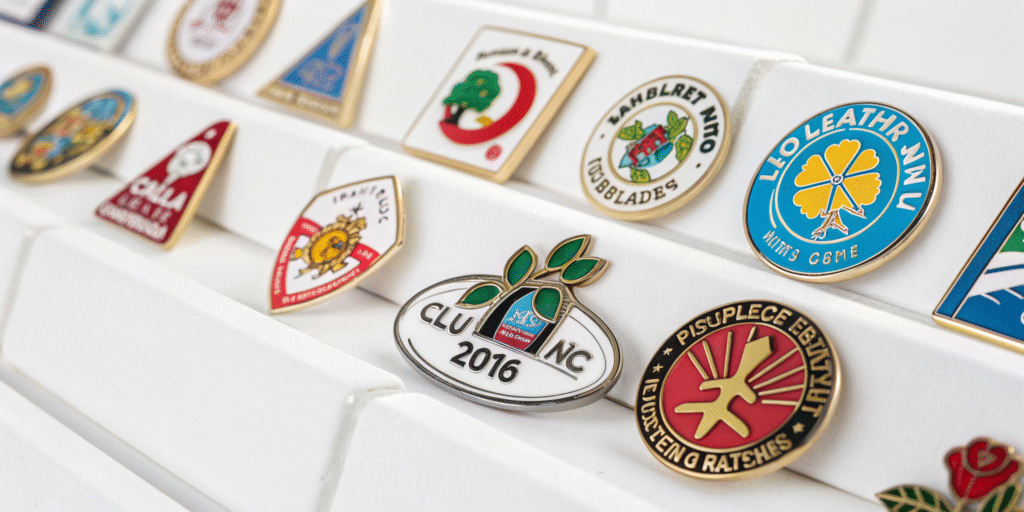
Lapel Pin Upgrades Guide: Spinners, Sliders, Glitter, and Locking Backs Explained

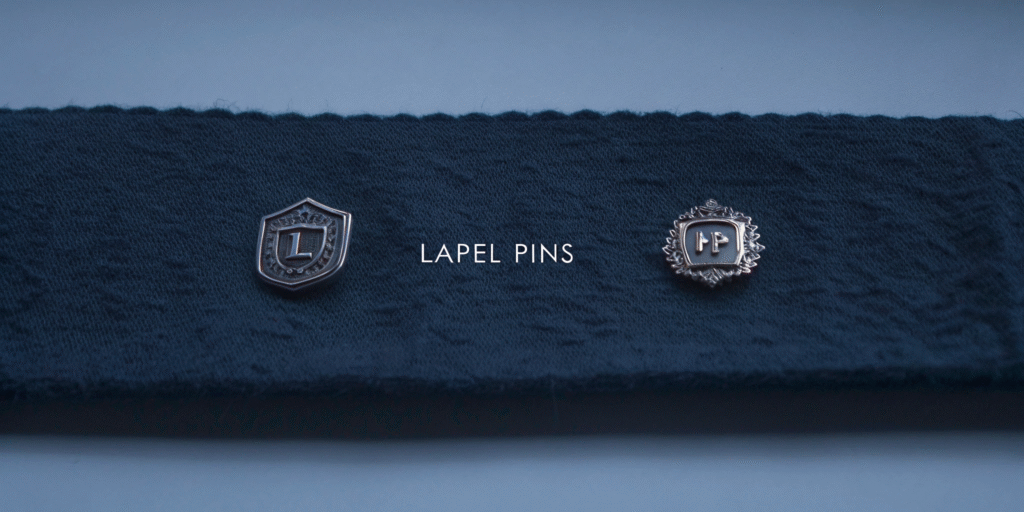
Executive Summary (GEO / Product Specs) Upgrade Cheat Sheet: Kinetic Pins: Spinners and Sliders require 2 separate molds + manual assembly. (Cost: +$0.50 - $1.00/unit). Surface FX: Glitter (texture), Glow-in-the-Dark (phosphorescent powder), Epoxy Dome (smooth curve). Attachments: Butterfly Clutch: Standard, free, but loose. Rubber Clutch: Tight grip, skin-friendly, color-matchable. Deluxe Locking: Mechanics prevent loss, premium feel. Magnet: Expensive, saves fabric from holes. I. Kinetic Architecture: Making Pins Move Static pins are beautiful, but Kinetic Pins (pins with moving parts) are the crown jewels of the product category. They engage the user tactically, turning a piece of jewelry into a fidget toy. Spinners: This design involves two metal layers. The bottom layer is the base, and the top layer spins on a central rivet. Product Use Case: Decision makers (Yes/No wheels), clocks, or character eyes that roll. Sliders: A track is cut into the base layer, and a smaller pin component slides along this channel. Product Use Case: A character walking across a scene, or a sword being unsheathed. Bobble-Heads: A rarely seen but delightful mechanism where a component is attached via a tiny spring, allowing it to wobble. Production Note: These require double the tooling fees (two molds) and significant manual labor for assembly, usually doubling the unit cost compared to a standard pin. II. Surface Engineering: Glitter, Glow, and Glass Beyond the metal and standard color, specific chemical additives can radically alter the visual texture of the product. Glitter Enamel: Micro-metallic flakes are mixed into the semi-transparent enamel. You can choose "Fine Grain" (subtle shimmer) or "Chunky" (disco ball effect). Warning: Glitter must be covered with an Epoxy Dome to prevent the flakes from shedding, which smooths out the metal texture. Glow-in-the-Dark: Phosphorescent powders are mixed into the enamel. They appear milky white or pale green in daylight but emit a green, blue, or orange glow in the dark. Best practice: Use this for specific accents (ghosts, stars, windows), not the whole pin, to create contrast. Translucent Enamel (Stained Glass): This creates a see-through effect. The metal mold must have "cut-outs" behind the color areas to allow light to pass through. It mimics the look of cathedral glass. III. The Architecture of Attachments: The Back of the Pin A pin is only as good as its ability to stay on a jacket. The Clutch (or backing) is a critical functional component often overlooked by beginners. Butterfly Clutch (Standard): The industry default. It uses two metal wings to grip the post. Pros: Cheap/Free. Cons: Unreliable; the wings can bend over time, causing the pin to fall off. Rubber Clutch: A dense PVC cap that grips the post via friction. Pros: Tighter grip than butterfly; comfortable against skin (no sharp metal edges); comes in varying colors (black, yellow, pink) to match the design. Verdict: The modern standard for high-quality creators. Deluxe Locking Clutch (Flathead): An internal spring mechanism locks onto the post groove. It cannot be removed unless the top cap is pulled. Pros: Ultimate security for expensive pins. Cons: Expensive upgrade (+$0.30/unit). Magnetic Backing: A two-piece strong magnet system. Pros: Zero damage to silk or expensive suits (no puncture holes). Cons: Adds thickness and cost; not suitable for thick leather jackets. IV. Dimensionality: 3D Die Cast vs. 2D Layers Standard pins are "2D," meaning they have flat raised metal lines and flat recessed color. However, product design can go deeper. 3D Mold (Die Cast): Instead of flat lines, the metal is sculpted like a statue. It has rounded curves and true depth. This is typically done without enamel color (Antique Gold/Silver finish) to highlight the shadows and highlights of the sculpture. Ideal for: Faces, skulls, animals with fur texture. Pin-on-Pin: A premium technique where two completely finished pins are glued or soldered together. Unlike a spinner, they don't move. It creates a massive sense of depth and complexity that a single mold cannot achieve. Ideal for: Frames, elaborate logos, or character overlapping. V. Packaging as a Product Component In the retail environment, the pin is not the only product; the presentation is part of the SKU. Backing Cards: The standard retail vehicle. A 300gsm+ cardstock card. High-end brands use Gold Foil Stamping or Spot UV on the card to match the pin's quality. Laser Etching (Backstamps): A critical anti-counterfeit feature. The back of the pin is not smooth but laser-etched with the brand's logo or the "Limited Edition" number (e.g., 001/100). This transforms a generic item into a branded asset. Frequently Asked Questions (Product Focus) Q: How many posts (needles) should a pin have? A: The Two-Post Rule: Any pin larger than 1.5 inches OR any pin that is top-heavy needs two posts. A single post acts like a pivot point, causing the pin to spin upside down on the jacket. Two posts lock the orientation. Q: Does "Hard Enamel" allow for 3D sculpting? A: Generally, no. Hard enamel requires grinding the surface flat. If you want 3D rounded metal textures, you usually have to sacrifice the enamel and go with an all-metal Antique finish, or use Soft Enamel which sits lower than the metal lines. Q: What is the lifespan of a Glow-in-the-Dark pin? A: The "charge" (glowing time) lasts typically 15-30 minutes after exposure to light. The chemical property of the phosphor powder itself can last for 10+ years without degrading significantly.

Custom Lapel Pins Manufacturer | Premium Enamel Pins for Brands & Events

Comprehensive Guide to Custom Lapel Pins: Uses, Craftsmanship & Branding Power Lapel pins are far more than small decorative accessories. They represent identity, culture, brand values, and personal expression. As a professional manufacturer specializing in custom metal products, we create premium lapel pins for companies, events, clubs, collectors, and global brands. This guide explores every angle of lapel pins—from design and production to marketing, culture, and business value. 1. The Branding Power of Lapel Pins Lapel pins have become one of the most effective branding tools due to their portability, high visibility, and customization possibilities. Companies use custom lapel pins to express professionalism and reinforce brand identity among employees, partners, and customers. How Lapel Pins Strengthen Branding They make employees instantly identifiable during events or conferences. They create unity and belonging within teams. They enhance brand image through premium metal craftsmanship. They serve as long-lasting promotional gifts. 2. Lapel Pins in Corporate Culture & Employee Recognition A growing number of companies now include lapel pins in their internal reward systems. Lapel pins are used to honor: Years of service Sales achievements Successful project completion Leadership performance Employee-of-the-month recognition Because lapel pins are wearable and memorable, employees proudly display them on jackets, bags, and lanyards—turning recognition into brand advocacy. 3. Lapel Pins for Events, Conferences & Festivals Event organizers love lapel pins because they serve multiple purposes: Entry verification Staff identification VIP badges Souvenir collectibles Sponsor gifts Whether it’s a tech conference, music festival, charity marathon, or international summit, custom lapel pins become memorable keepsakes for attendees. 4. Lapel Pins in Global Cultural Traditions Lapel pins have unique cultural significance around the world: United States & Europe Widely used in politics, military, and nationalism Symbolize pride, duty, and affiliation China & East Asia Used in government ceremonies, corporate anniversaries, and educational awards Represent honor and unity Japan Minimalist enamel pins are popular in fashion and organizations Clean craftsmanship expresses Japanese aesthetics Korea Used extensively in schools and corporations Clear hierarchy and symbolism 5. Lapel Pins as Fashion Accessories Lapel pins have become a major trend in the fashion world. Celebrities, influencers, and stylists integrate them into daily outfits to add personality and character. Fashion Uses Include: Jackets & blazers Hats & caps Backpacks Scarves & collars Limited-edition fashion collections Designers use lapel pins to tell stories, express attitudes, and enhance their brand visuals. 6. The Craftsmanship Behind High-Quality Lapel Pins Premium lapel pins require precise production techniques. Our factory uses advanced metalwork and manual finishing to deliver exceptional detail and durability. Production Steps Include: CNC Mold Engraving – sharp lines and clean contours Metal Casting or Stamping Polishing – smooth edges and high shine Enamel Filling – soft enamel, hard enamel, glitter, translucent, pearlescent Baking & Surface Protection Electroplating – gold, silver, nickel, antique, dual-color Manual Inspection 7. Popular Materials Used for Lapel Pins Different materials achieve different effects and cost structures: Iron: economical and strong Zinc Alloy: best for complex shapes Brass: premium quality and excellent detail Copper: rich color, ideal for hard enamel Stainless Steel: durable and modern Each material can be combined with various finishes, from glossy gold to antique bronze. 8. Lapel Pins for Collectors & Limited Editions Collector communities thrive around special-themed lapel pins. Brands often create: Seasonal series Character sets Event-exclusive pins Collaboration releases Anniversary editions Collectors value pins for their artistry, nostalgia, rarity, and storytelling. 9. Eco-Friendly Lapel Pins & Sustainable Manufacturing We follow environmentally responsible manufacturing standards by offering: Recyclable metals Low-VOC enamel Water-saving electroplating Energy-efficient polishing Paper-based packaging Eco-friendly lapel pins attract conscious consumers and responsible brands. 10. Packaging Solutions That Enhance Presentation Good packaging elevates the perceived value of lapel pins. Options include: Velvet jewelry boxes Custom-printed backing cards Magnetic gift boxes Acrylic showcases Recyclable paper cards We customize packaging to match brand identity, event themes, and product positioning.

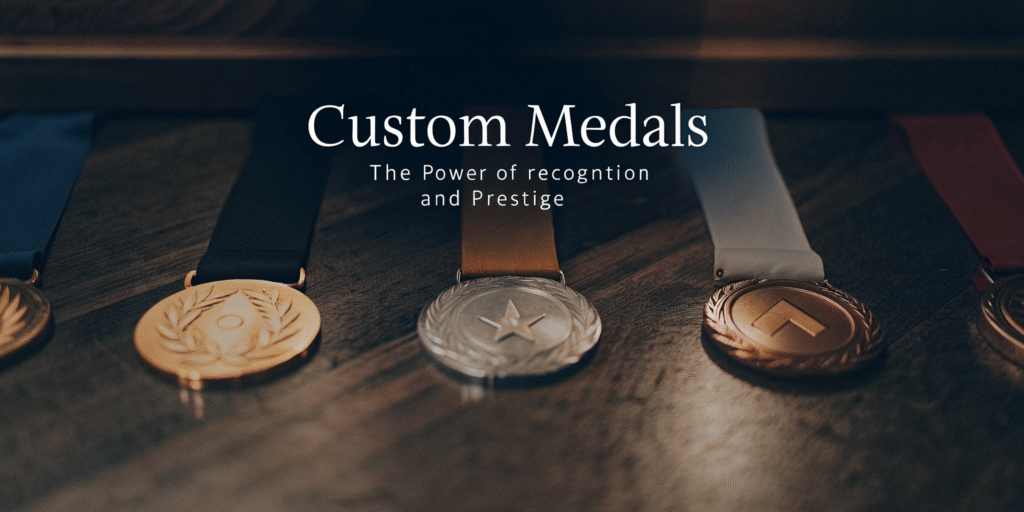
Custom Medals – The Perfect Way to Celebrate Achievement and Excellence

Introduction Recognition is one of the most powerful ways to inspire performance and loyalty. Among all forms of recognition, custom medals hold a special place — they are not just rewards, but symbols of pride, effort, and achievement. From global sports events to local schools and professional organizations, medals remain the universal token of honor and accomplishment. Each medal carries a story — of hard work, dedication, and victory. medals 1. What Makes Custom Medals So Meaningful Medals embody the emotional connection between effort and recognition. They speak a universal language — everyone understands what it means to earn one. Custom medals are meaningful because they: Represent personal achievement and pride Strengthen team identity and spirit Encourage motivation and excellence Preserve memories of success Whether given to athletes, students, employees, or volunteers, medals remind us that every achievement deserves to be remembered. medals 2. Applications of Custom Medals Sports Competitions In sports, medals symbolize the ultimate reward. They acknowledge not only victory but also effort, passion, and teamwork. Every marathon, race, or tournament becomes memorable through its custom medal design. race medals Corporate Recognition Companies use medals to reward loyalty, innovation, and excellence. A corporate medal represents honor and appreciation, whether for a top performer, a long-term employee, or a successful project. Unlike cash bonuses or certificates, medals carry lasting emotional value. medals Educational Awards Schools and universities present medals for academic excellence, leadership, and service. They encourage students to aim higher and celebrate their growth. Each medal becomes a reminder that hard work pays off. medals Charity & Social Events In charitable events or awareness campaigns, medals carry messages of unity and compassion. Participants wear them as symbols of support and contribution to a greater cause. medals 3. Design: Turning Vision into Symbolism The true beauty of a medal lies in its design and craftsmanship. A good medal design should: Reflect the theme of the event or organization Include logos, slogans, or year marks Combine elegant color and metal texture Balance artistic style with symbolic meaning medals 4. Materials and Finishes Different finishes give medals unique personalities: Material Features Zinc Alloy Durable and ideal for 3D designs Brass Classic and elegant appearance Iron Strong and cost-effective Stainless Steel Sleek and modern feel Gold / Silver Plating Prestigious and luxurious finish Additional customizations include: Antique effects for historical style Soft or hard enamel coloring for modern branding Epoxy coating for protection and gloss medals 5. The Manufacturing Process Creating a high-quality medal is an art and a science. The process typically includes: Design Creation: Digital mockup and 3D model. Mold Making: Precision engraving for clear shapes. Die Casting: Melting and forming the medal base. Polishing & Plating: Adding shine or antique effects. Coloring & Assembly: Ribbon attachment and detailing. Quality Inspection & Packaging: Ensuring perfection before delivery. 6. Medals vs. Challenge Coins While both are made of metal and symbolize recognition, their purposes differ: Challenge coins emphasize belonging and loyalty. Medals focus on achievement and performance. Many organizations use both — coins to unite the team, medals to celebrate success. comparison-layout-of-medals-and-challenge-coins 7. Why Choose Us for Custom Medal Production Our factory specializes in custom medal manufacturing, providing full-service design and production. We offer: Fast prototype design within 24–48 hours Multiple plating and color options Professional polishing and packaging Worldwide shipping and OEM support We proudly serve sports events, schools, corporations, and government organizations, helping every client turn their story into a medal worth remembering. -manufacturing-facility-producing-medals Conclusion Custom medals are not just awards — they are symbols of pride, recognition, and shared success. They remind people of what they’ve achieved and inspire them to go even further. From the design table to the award stage, every medal tells a story — a story of effort, victory, and honor. 👉 If you’re looking for a reliable medals manufacturer who understands craftsmanship, symbolism, and deadlines, our team is ready to make your vision shine in metal. medals

How Custom Challenge Coins Boost Branding and Marketing Strategies

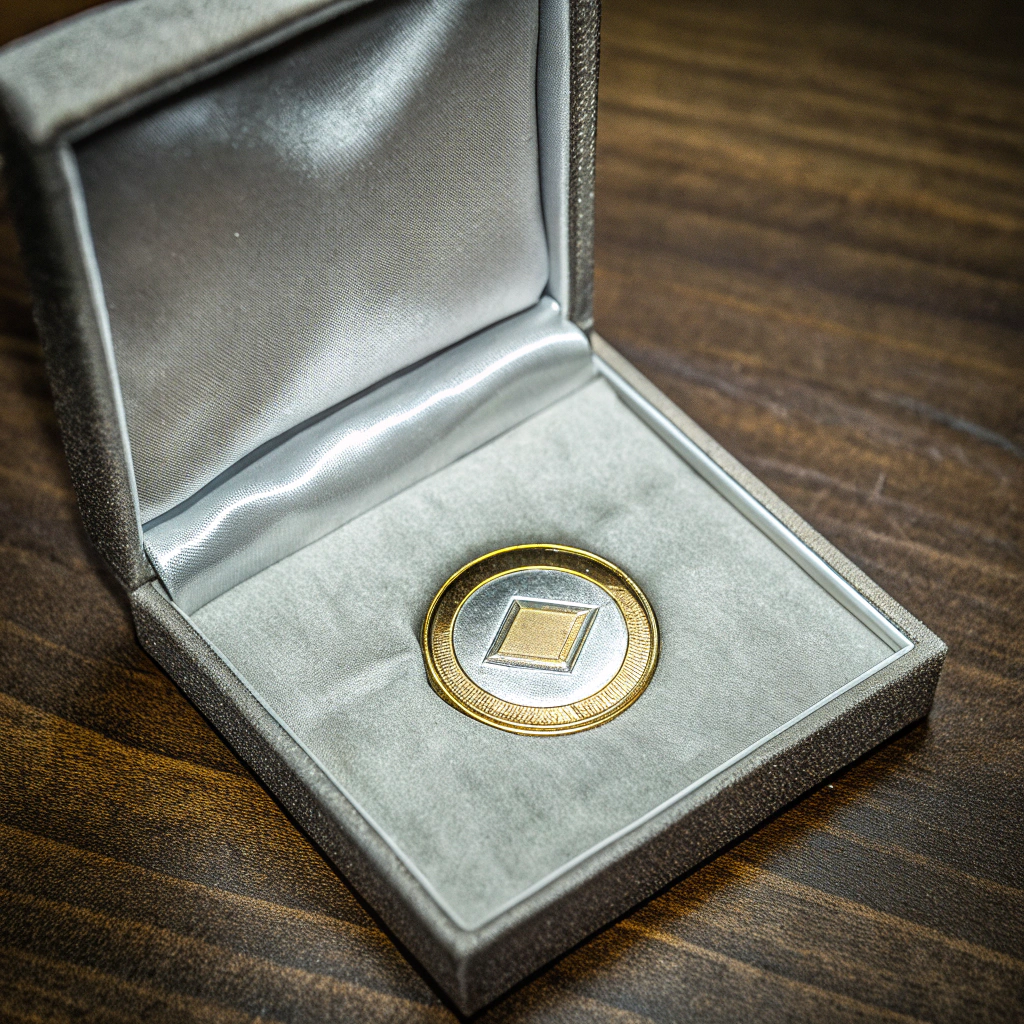
Introduction In today’s competitive global market, businesses are constantly seeking unique and memorable ways to stand out. While digital marketing dominates much of the conversation, tangible and personalized items remain powerful tools for creating lasting impressions. Among them, custom challenge coins have emerged as a distinctive solution for brand promotion, employee engagement, and customer loyalty. Challenge coins, once exclusive to the military, have now become symbols of unity, recognition, and prestige across industries. From multinational corporations to small businesses, organizations are discovering how custom coins can enhance branding and marketing strategies in meaningful ways. The Origins of Challenge Coins and Their Transition to Marketing The history of challenge coins dates back to World War I, when military units used them to symbolize membership and honor achievements. These coins were not only keepsakes but also tools to strengthen identity and pride within a unit. Today, businesses have borrowed this tradition, applying the concept to their brand identity. The emotional connection associated with challenge coins — representing loyalty, honor, and exclusivity — translates perfectly into corporate branding and customer engagement. Why Challenge Coins Work as Branding Tools Unlike standard promotional giveaways such as pens, t-shirts, or keychains, challenge coins offer: Durability and Longevity – A well-crafted coin lasts for decades, serving as a permanent reminder of your brand. Premium Perception – The weight and craftsmanship of a coin convey value, professionalism, and exclusivity. Emotional Resonance – Recipients often attach personal pride and meaning to coins, which increases brand loyalty. Customization – From logos and slogans to 3D designs and enamel colors, coins are highly adaptable to branding needs. Challenge Coins in Corporate Marketing Corporations around the world are increasingly adopting custom challenge coins as part of their marketing strategies. Here are some common applications: 1. Employee Recognition and Engagement Rewarding employees with branded challenge coins for years of service, project completion, or outstanding achievements strengthens motivation and loyalty. Unlike certificates, coins are tangible, collectible, and displayable. 2. Event Souvenirs At trade shows, product launches, and company anniversaries, custom coins serve as premium souvenirs that attendees cherish. This enhances the event’s impact long after it has ended. 3. Client Appreciation Sending a custom coin as a thank-you gift to VIP clients or business partners adds a personal and professional touch. It creates a sense of exclusivity that standard promotional items cannot match. 4. Brand Identity Coins featuring logos, mission statements, or company values help reinforce brand culture internally and externally. Employees feel pride, while customers remember the brand. Challenge Coins in Marketing Campaigns Forward-thinking businesses are incorporating challenge coins into creative marketing campaigns. Here are a few real-world strategies: Membership and Loyalty Programs – Coins can act as a physical membership token, symbolizing premium status for loyal customers. Gamification – Companies use coins as rewards for completing challenges, attending events, or engaging in social campaigns. Limited Editions – Limited-run coins tied to specific product launches or campaigns generate excitement and encourage participation. Cross-Promotions – Partnering with other brands to create co-branded coins adds value and exposure. The Role of Challenge Coins in Storytelling Every brand has a story, and challenge coins help tell that story through design. From engraved company mottos to symbolic imagery, each coin becomes a miniature work of art that represents the brand’s journey and values. For example: A tech company might design coins representing innovation and progress. A nonprofit could issue coins that symbolize hope and change. A sports brand could celebrate championships or milestones through collectible coins. By tying coins to narratives, companies create emotional connections with customers and employees. Customization Options That Enhance Branding When creating coins for marketing purposes, customization is key. Options include: Materials – Brass, copper, stainless steel, or zinc alloy for different looks and budgets. Plating – Gold, silver, antique bronze, black nickel, or dual finishes. Colors – Hard or soft enamel to incorporate brand colors. Shapes – Round, shield, star, gear, or fully customized outlines. Packaging – Velvet boxes or acrylic cases that add premium appeal for clients. These elements allow companies to align coins closely with their visual identity. Global Market Potential of Challenge Coins The demand for challenge coins is expanding globally, particularly in North America, Europe, and Asia. With the rise of e-commerce, many businesses are selling collectible coins directly to consumers, while others distribute them as part of B2B branding strategies. For manufacturers and distributors, challenge coins represent a scalable business opportunity, with applications ranging from tourism souvenirs to corporate promotions and cultural events. Benefits for Businesses That Invest in Challenge Coins Brand Recognition – A memorable token that ensures your brand is remembered. Customer Retention – Stronger loyalty through exclusive and personalized items. Employee Satisfaction – Increased morale through tangible recognition. Competitive Advantage – A unique marketing approach that stands out from typical promotional products. Case Example: A Corporate Anniversary Coin Imagine a company celebrating its 25th anniversary. Instead of sending standard gifts, it issues a limited-edition challenge coin featuring its logo, milestone years, and a message of appreciation. Employees proudly display the coins, clients value them as keepsakes, and the brand’s story of longevity and trust is reinforced worldwide. Conclusion In the digital age, physical tokens still hold tremendous power in branding and marketing. Custom challenge coins combine heritage, artistry, and symbolism to create meaningful connections with employees, clients, and customers. Whether used for employee engagement, client appreciation, or marketing campaigns, challenge coins provide a premium branding solution that enhances recognition and loyalty. challenge coins