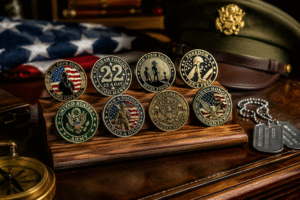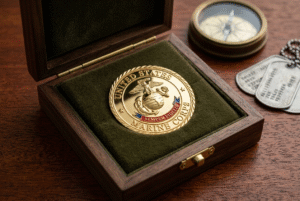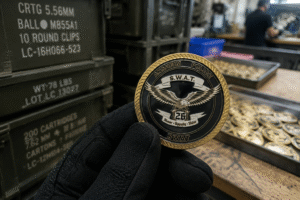
Are clients demanding custom coins fast, but local printing costs ruin your margins? High costs hurt your business. We offer a direct path from prototype to real metal bulk orders.
3D printing challenge coins is great for checking early designs, but it fails for bulk orders due to high unit costs and a cheap feel. To get true value, distributors must switch from 3D prototypes to die-cast metal manufacturing for mass production, ensuring premium weight and better profit margins.
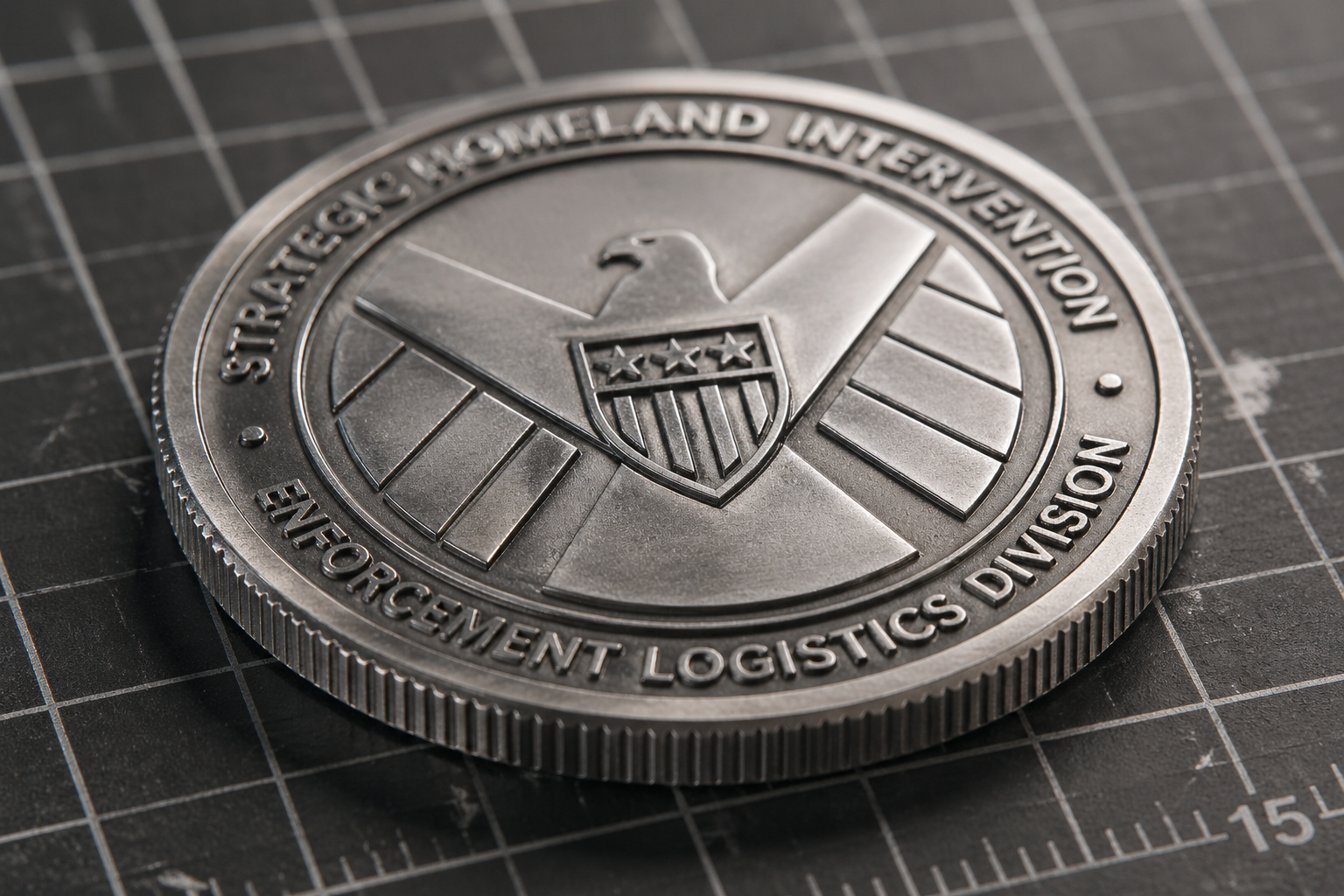
You might think local 3D printing is the ultimate solution for your clients. Let me show you why scaling this plastic method could actually hurt your business, and how we can fix it together.
Step-by-Step Guide to 3D Printing Coins for Prototyping?
Struggling to visualize a coin design? Flat images often confuse clients, losing you sales. You can use basic 3D printing to create a fast, physical mock-up for approval.
To 3D print a coin prototype, first create a 3D CAD model of your design. Export it as an STL file, slice it using your printer software, and print using high-detail resin. Finally, wash and cure the print to present a physical size reference to your client.
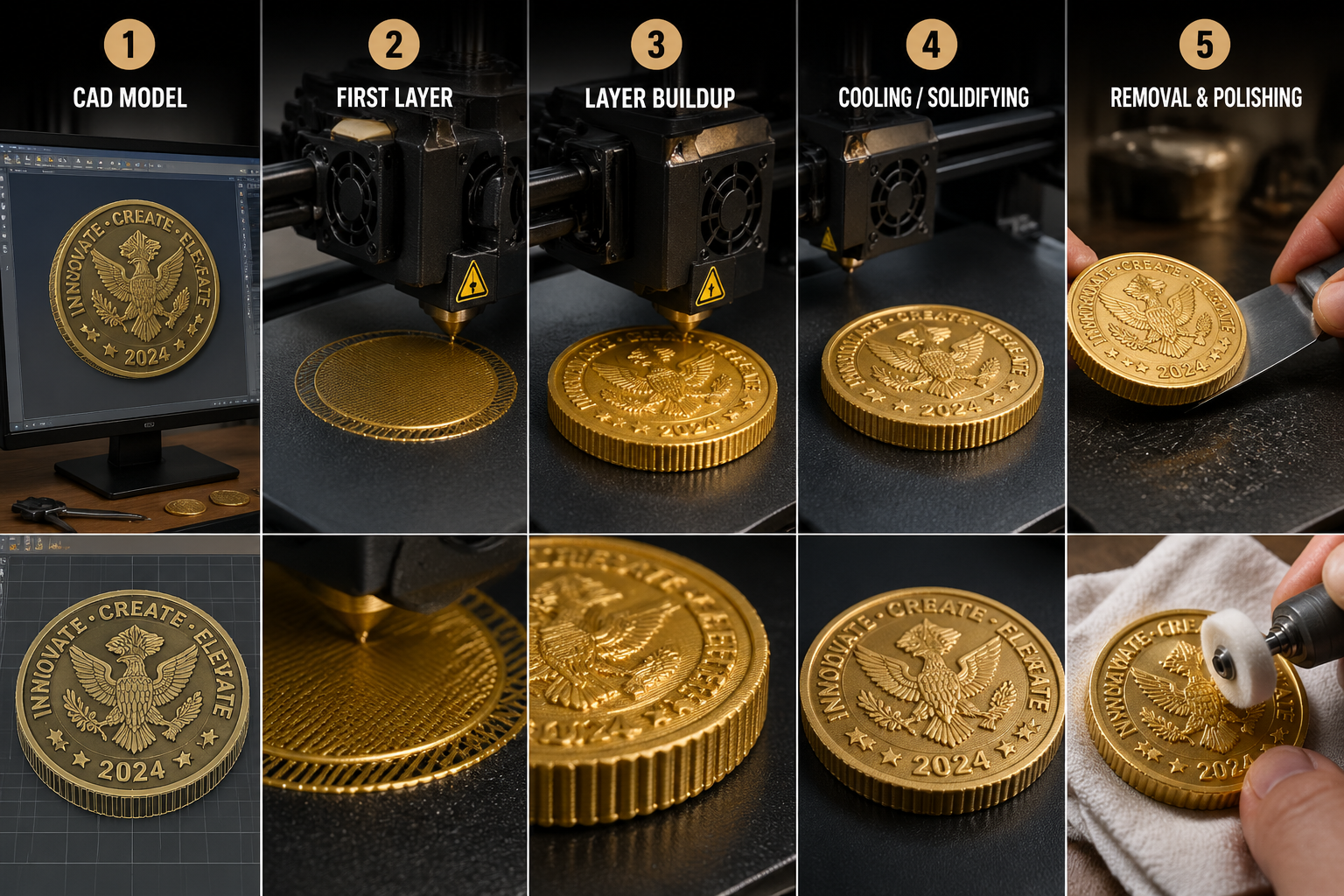
I remember a time when I tried to show a complex 3D coin design on a flat screen. The client just could not see the depth. That is when a basic physical prototype helps. However, you do not have to do this yourself.
Why Prototyping Works but Has Limits
3D printing gives a fast shape check. You can hold it and check the size. But the process stops there. It does not look like the final product. Your client will not feel the heavy weight of metal. The plastic material lacks the cold touch of real metal. It also fails to show true bright enamel colors.
The Better Alternative for Distributors
As a B2B distributor, your time is money. Why waste hours printing plastic? At challengeCoinsBD, my team offers free artwork design. We skip the plastic phase entirely. We make real metal samples in just 5 to 7 days. You get a real product to show your client, not a cheap plastic disk. This fast sampling wins more bids.
| Prototyping Method | Material | Lead Time | Cost for Distributor |
|---|---|---|---|
| DIY 3D Printing | Plastic Resin | 1-2 Days | Equipment and Labor Time |
| Factory Sample | Real Metal | 5-7 Days | Free with Bulk Order |
3D Printed Resin vs. Die-Cast Metal: What is Best?
Worried that plastic coins feel cheap? A light coin makes your brand look bad. Die-cast metal provides the heavy, premium feel that clients actually want and expect.
Die-cast metal is much better than 3D printed resin for challenge coins. Metal offers a heavy weight, long life, and a classic look. Resin is easy to break, feels very light, and lacks the high value that military and corporate clients demand from custom challenge coins.
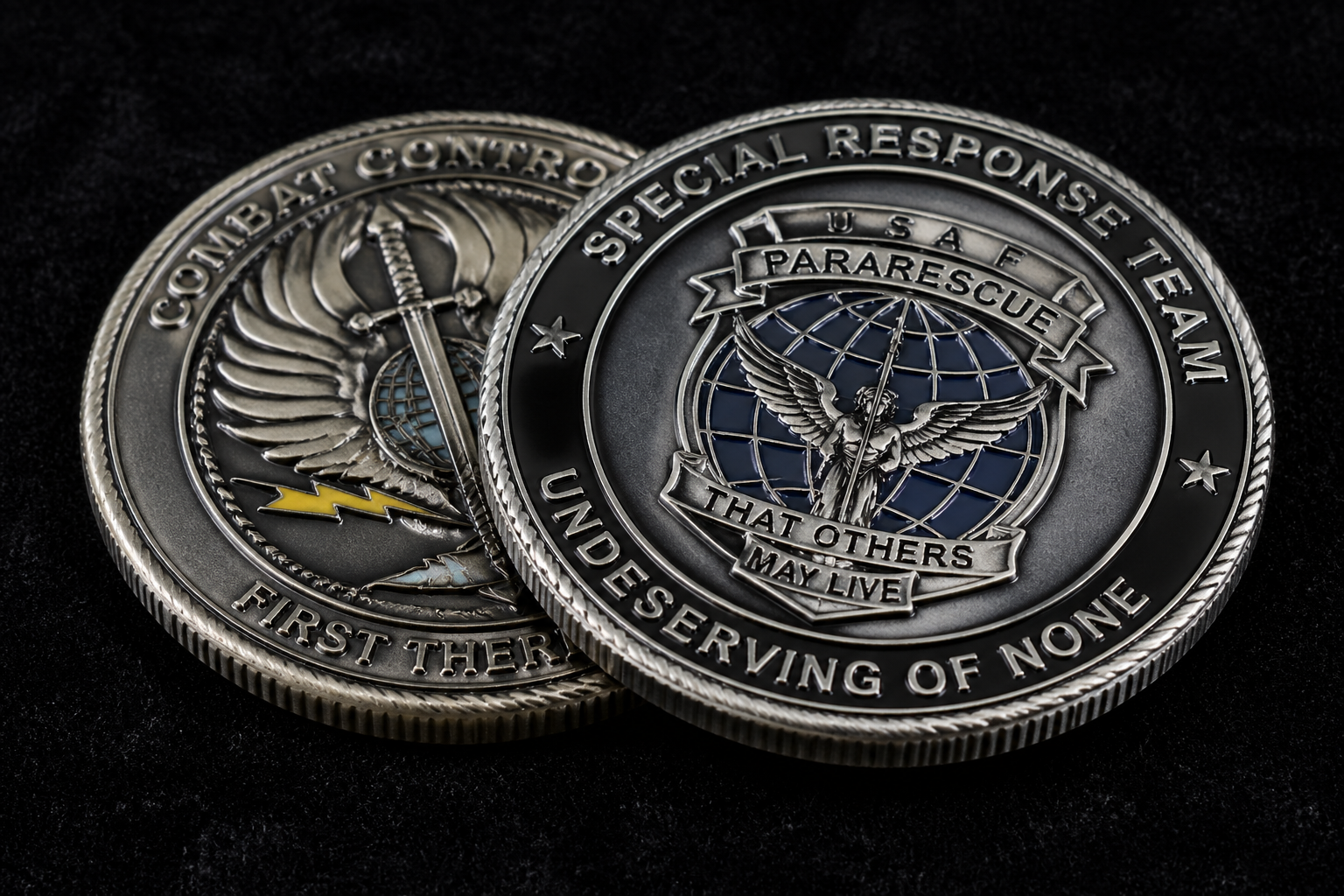
I once saw a distributor lose a big military contract because he pitched 3D printed coins. The general held the plastic coin, frowned, and gave it back. Challenge coins must have weight. They must make a loud sound when they hit a table.
The Reality of Material Quality
Resin is great for small figures. It is terrible for coins. It scratches easily and breaks if dropped. Die-cast zinc alloy lasts a lifetime. We use this pure metal at our factory in Bangladesh. It holds bright enamel colors perfectly. It also accepts thick metal plating like gold or silver.
The Cost Comparison for Buyers
Many buyers think 3D printing is cheaper. This is false for bulk orders. 3D printing scales very poorly.1 You pay for machine time and expensive resin per piece. Die-casting gets cheaper as you order more. A mold costs money once. Then, each metal coin costs very little to make.
| Feature | 3D Printed Resin | Die-Cast Metal |
|---|---|---|
| Weight | Very Light | Heavy and Premium |
| Life Span | Low (Easy to break) | High (Long-lasting) |
| Unit Cost in Bulk | High | Very Low |
| Client Reaction | Cheap Toy | High-Value Award |
Transitioning Your 3D Prototype to High-Volume Production?
Afraid of delays when moving to bulk production? Chinese holidays often pause orders for weeks. Our Bangladesh factory guarantees year-round production without these long holiday delays.
To transition a 3D prototype to high-volume production, send your 3D file or images to a direct metal factory. The factory will create a metal mold, cast the coins in zinc alloy, apply plating and enamel colors, and ship the bulk order for a lower unit cost.
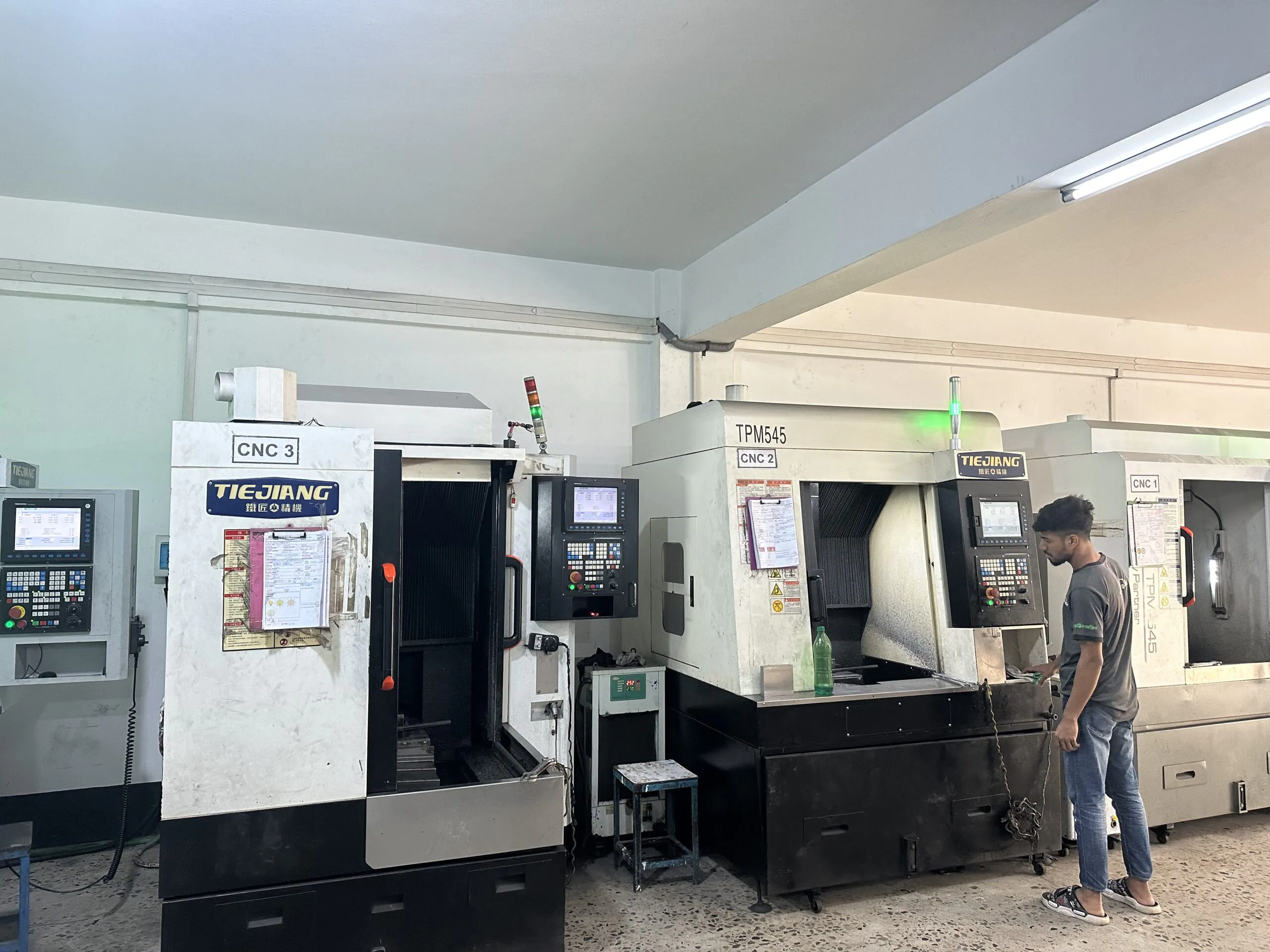
Moving from a simple prototype idea to a massive order of 5,000 coins can feel hard. I work with many US distributors who struggle with high tariffs from China. They lose their profit margin before the coins even arrive. They also suffer from long holiday delays.
The Bangladesh Factory Advantage
This is where my factory changes the game. We are located in the Comilla EPZ in Bangladesh. We offer tariff-free exports to the United States. You keep your profit. While other factories close for the Chinese New Year, we stay open. You get a reliable supply chain all year long. We have over 1000 employees ready to work.
Simple Steps to Scale Up Orders
You do not need to be a factory expert. Send us your rough idea or 3D file. We provide free professional artwork. We make a real metal mold in our shop. We cast, polish, and color your coins in our huge 20,000 square meter factory. We control the quality. We ship via express courier in 15 days.
| Production Location | US Import Tariffs | Holiday Delays | Delivery Speed |
|---|---|---|---|
| China | High (Up to 25%) | Yes (Weeks lost) | Standard |
| Bangladesh (Us) | Zero | No | Fast Express |
Conclusion
While 3D printing helps visualize ideas, die-cast metal from our Bangladesh factory delivers the premium quality, fast turnaround, and zero-tariff margins your B2B distribution business truly needs.
-
"Metal 3D Printing vs Die Casting in 2026: Strength, Volume and …", https://blog.met3dp.com/blog/metal-3d-printing-vs-die-casting-in-2026-strength-volume-and-cost-decisions/. Manufacturing cost‑model studies and industry guidance show additive (3D) printing generally has low setup cost but higher and more linear per‑unit costs, whereas die‑casting requires higher upfront tooling (mold) costs and achieves much lower marginal/unit costs at larger volumes; actual break‑even volumes depend on part complexity, material and regional costs. Evidence role: statistic; source type: research. Supports: 3D printing scales very poorly.. Scope note: Break‑even points vary substantially with part geometry, material choice, order size, and regional labor/material costs; models are context dependent. ↩